Wonderful wildlife works at Essex Country Parks
Discover the latest updates on our habitat creation and landscape restoration to celebrate World Wildlife Day.
Posted on 26th February 2026
The Essex Country Parks teams are passionate about wildlife and to celebrate this year’s World Wildlife Day (Tuesday 3 March), we bring you all the all the latest updates of the work we’ve been undertaking at our parks as part of the government funded Countryside Stewardship Scheme (CSS).
Belhus Woods Country Park
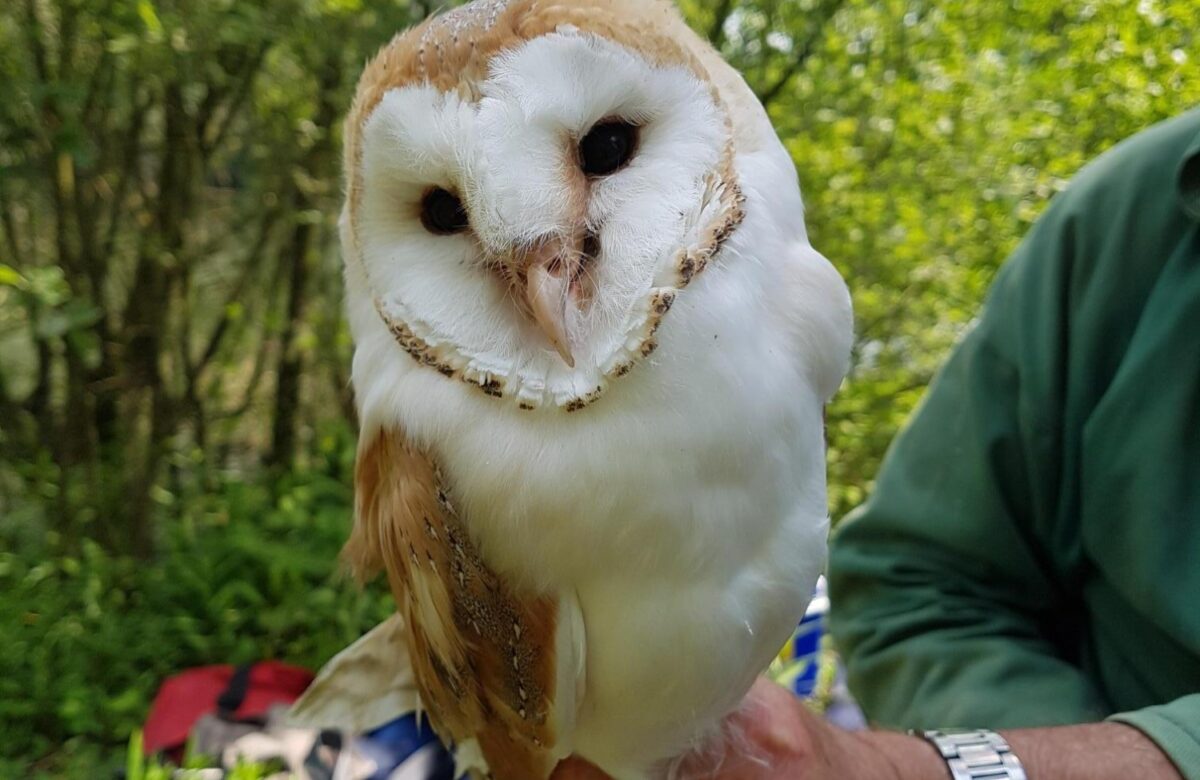
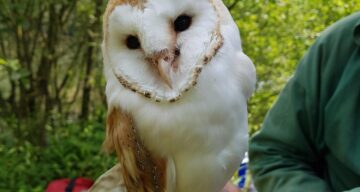
During winter, the Belhus Woods team have been installing new nesting boxes for dormice and barn owls – with the latter moving in almost straight away.
Works to areas of the park - including Hunts Hill Lake and near the Long Pond - started to restore and improve valuable habitats, such as wood pasture and species rich grassland.
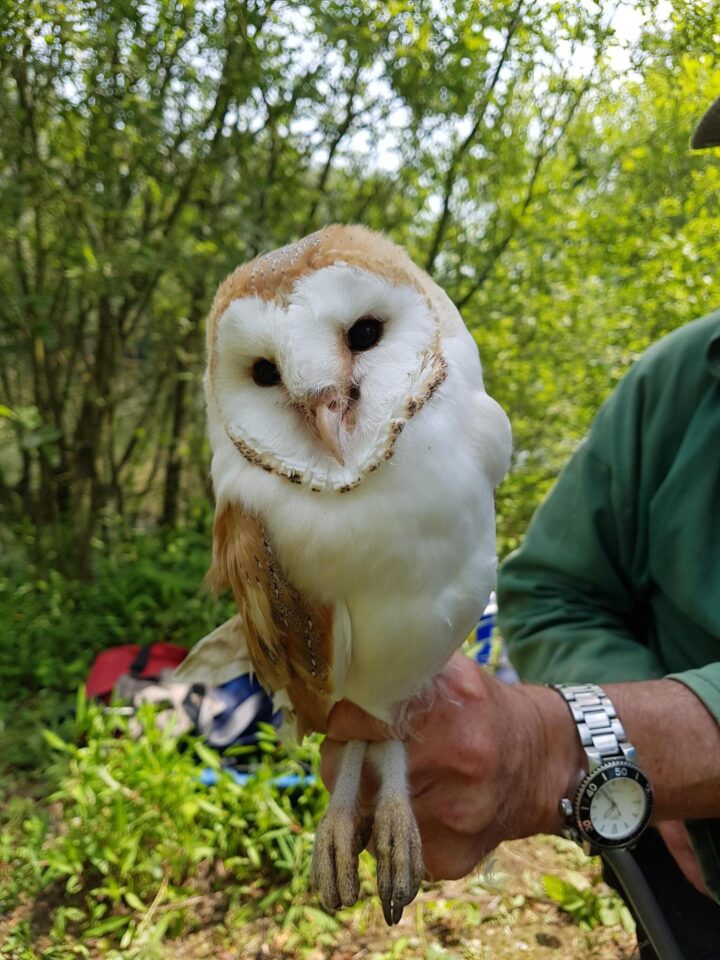
Livestock fencing has been installed in these areas to allow red poll cattle to graze in the future.
Known for their gentle nature, the cows eat just enough grass for wildflowers to flourish which, along with their waste, helps to increase the variety of insects and pollinators. This also benefits those higher up the food chain.
The long-term restoration will encourage more species of flowers, insects and small mammals. Wildflowers that exist in seed have a greater chance of establishing, with less competition from the grasses, and it also means that insects and birds can feed on the flowers and help to pollinate them for future years.
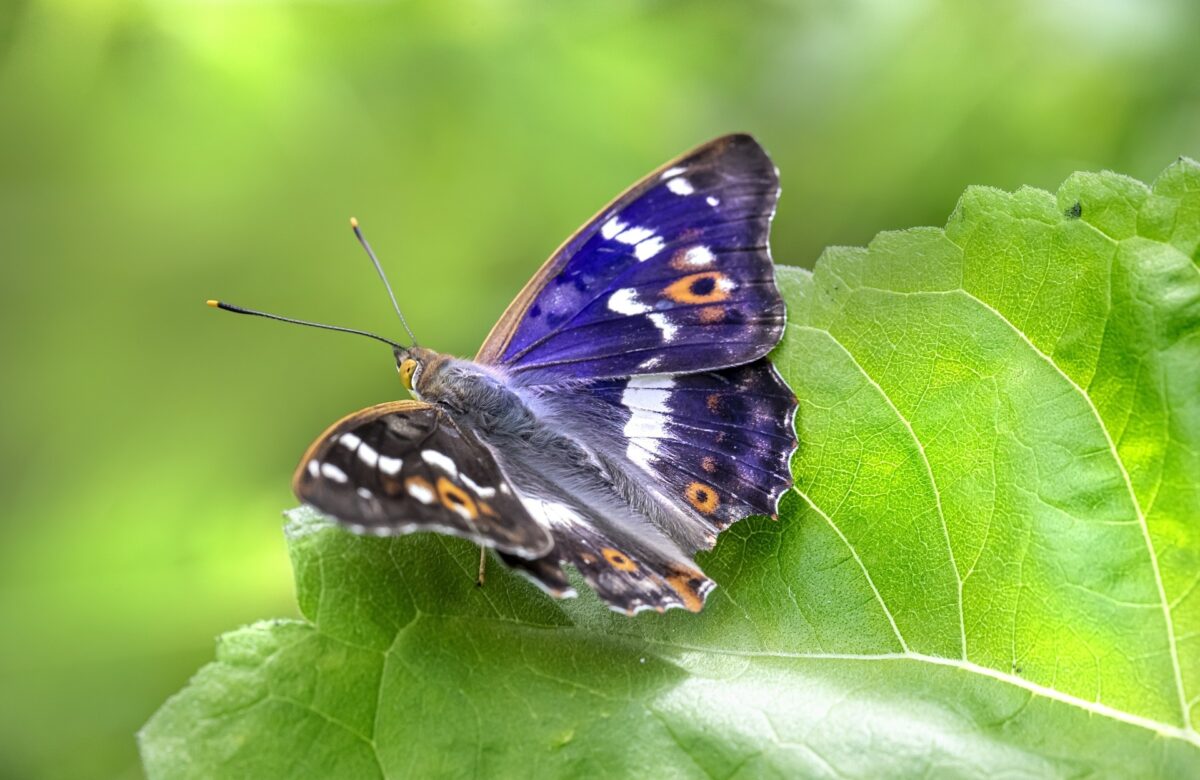
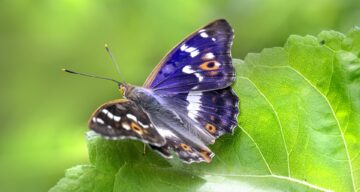
Coppicing in the woodland has also taken place. Coppicing bring in more light which will help establish woodland flower species – such as bluebells. It also helps pollinators and woodland butterflies like the purple emperor, white admiral and silver washed fritillary.
Species supported:
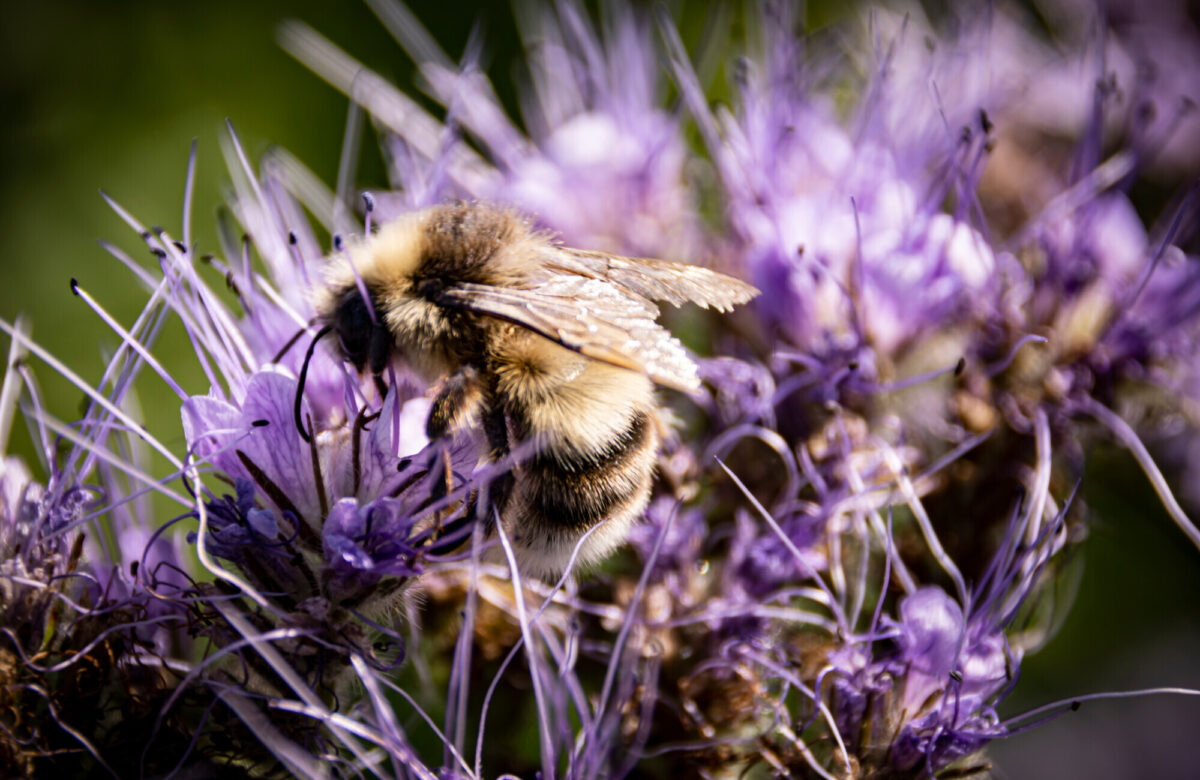
Various flora, fungi, bees (including shrill carder), barn owls, butterflies (including silver washed fritillary) dormice, lesser spotted woodpeckers and kestrels – and more!
Cudmore Grove Country Park
At Cudmore Grove, CSS projects that took place over the autumn and winter months 2025/2026 included the installation of new livestock and anti-predator fencing on the borrow dyke and grazing marsh to protect ground nesting birds and waders.
As a Site of Special Scientific Interest, the low-lying grazing marsh is an important ecosystem as it captures carbon, stores floodwater, recycles nutrients and is a natural habitat for overwintering birds.
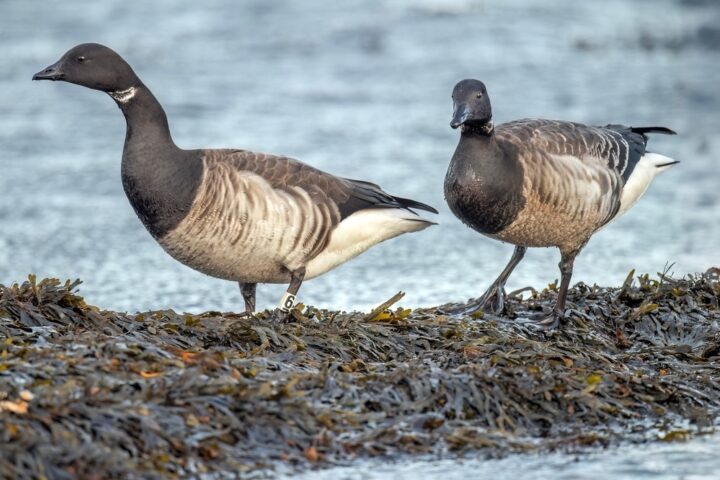
Work is also taking place at Cudmore Grove to support hog’s fennel, as the larvae of the rare fisher’s estuarine moth is dependent upon it.
Efforts are being made to increase suitable habitat for the moth and establish populations that are safe from flooding as the larvae are at risk from rising sea-levels.
The grasslands are also home to up to 15 types of butterflies, as well as insects, lizards and small mammals.
Because of this variety of wildlife, birds of prey regularly use the area as their hunting grounds.
Species supported:
Water birds (avocets, brent geese, redshanks and plover) butterflies (fisher’s estuarine moth and others), insects, lizards, small mammals (water voles).
Hadleigh Country Park
Hadleigh, a Site of Special Scientific Interest, is an ecologically rich and lush landscape featuring grassland, scrub, grazing marsh, tidal mudflats and home to plants, insects and birds.
As part of the CSS works, a programme to restore and manage the grassland areas - to protect and increase the numbers of rare native flowers – is ongoing.
The grassland supports plants such bithynian vetch and is grazed by native livestock rare breeds like red poll cattle, sheep and Cheviot goats.
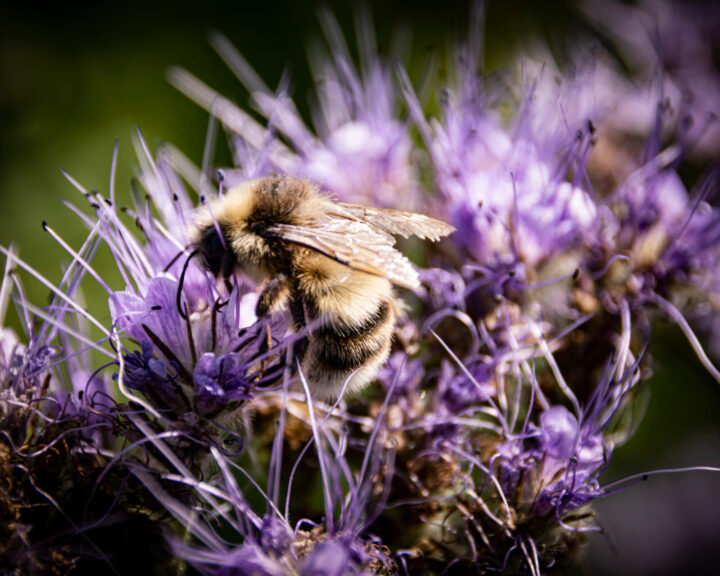
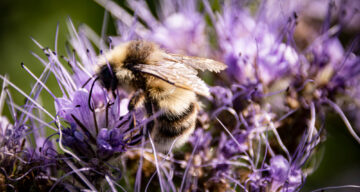
The CSS works to the grassland has seen increases in brown-banded carder bee and shrill carder bee.
Close to the grassland restoration areas are the ponds, which have been improved and aim to increase the numbers of great crested newts and other freshwater species.
Species supported:
Birds, butterflies (white letter hairstreak), bees (brown banded carder and shrill carder), insects, plants (bithynian vetch, deptford pink, hairy vetchling and Hartwort), great crested newt.
Marsh Farm Country Park
At Marsh Farm restoration works took place this winter to install livestock fencing, which will allow heritage breed sheep to graze more of the marsh and wildflower meadows.
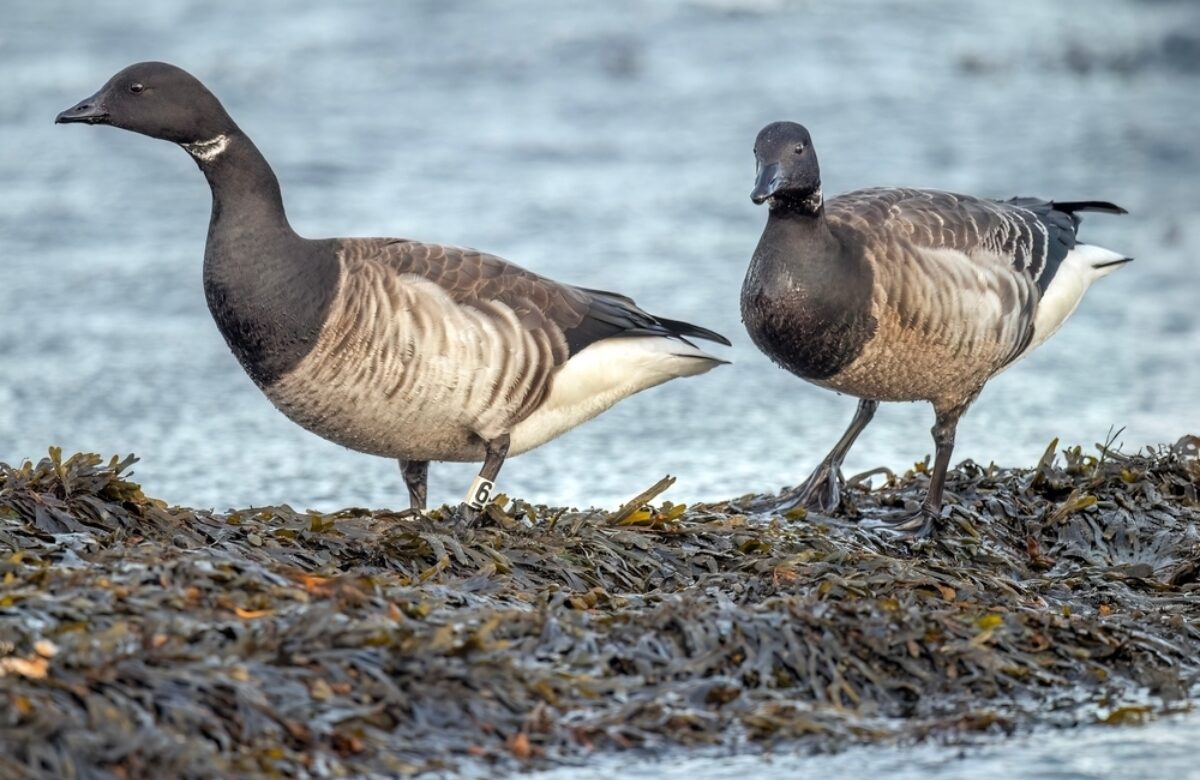
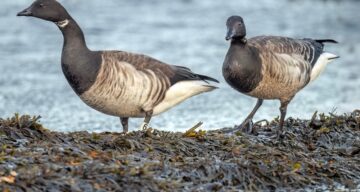
Grazing the marsh encourages migratory brent geese which visit from Siberia and overwinter on the coast. The geese are only found at a small number of sites in Essex and Kent.
Grazing the meadows will help to improve the variety of wildflowers and quality of the grass which in turn benefits insects and pollinators.
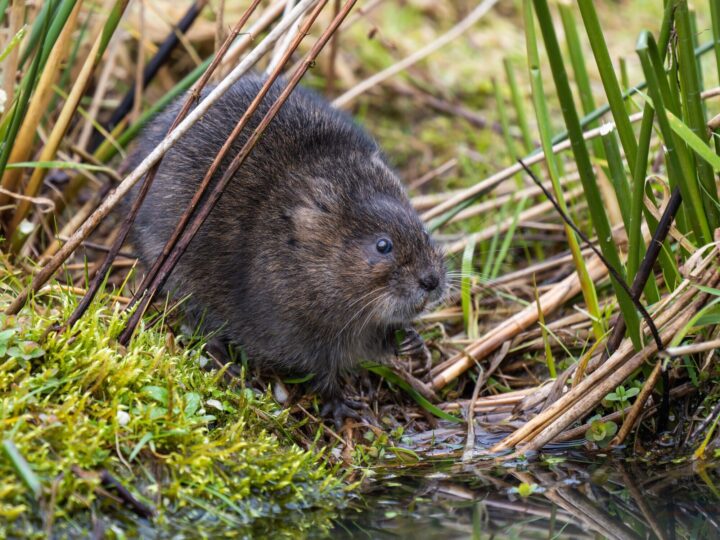
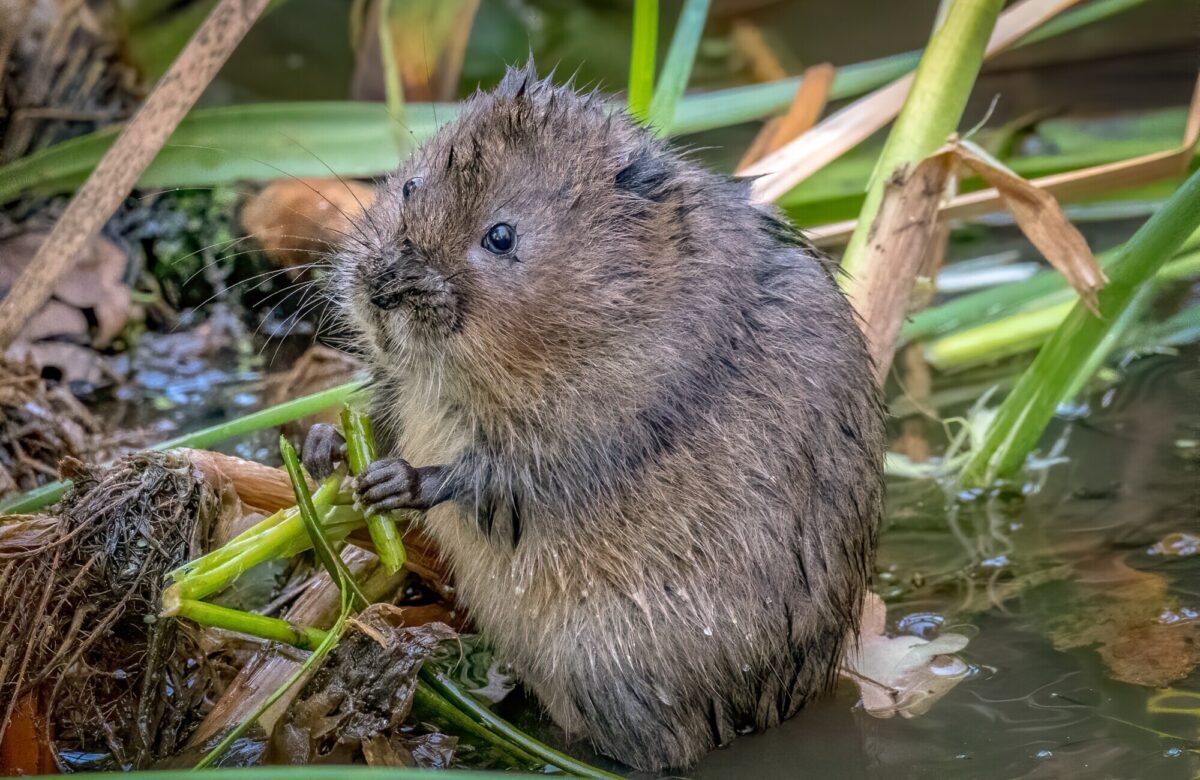
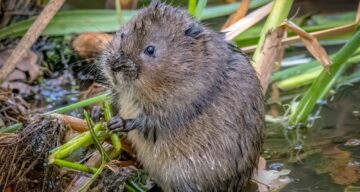
Work at Marsh Farm also includes improvements to ditches to support water voles.
Managing the water levels encourages wetland plant growth and increases water vole habitat as well as supporting amphibians, such as frogs, newts and freshwater invertebrates.
Species supported:
Birds (brent geese), water voles, frogs, newts, wildflowers, bees and butterflies.
Thorndon Country Park
At Thorndon, woodland management has been taking place in the south this winter and 15 kilometres of new and replacement fencing has been installed to support the natural land management of important habitats.
More areas of the park are starting to be grazed by sheep, increasing the variety and numbers of wildflowers, butterflies and invertebrates, while native Cheviot goats will help to control the scrub as part of the wood pasture restoration.
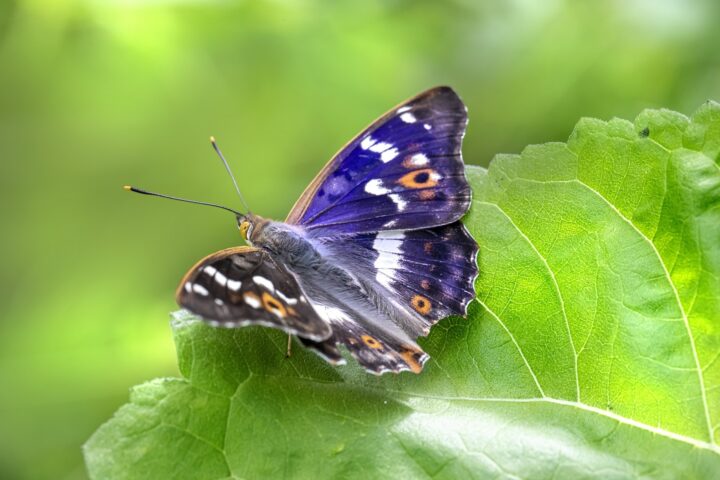
Opening up the woodland is important for flora, insects, butterflies - the silver washed fritillary and mompha langiella moth (which is declining locally) – bats, birds and small mammals.
Works to improve the grassland pastures to benefit plants, insects and reptiles is also taking place and by summer numbers of wildflowers, butterflies, bees and other insects should have increased.
Species supported:
Birds, bees, butterflies (silver washed fritillary and mompha langiella moth), wildflowers.
Weald Country Park
As a Historic England grade II listed park, Weald has seen work to its woodland to increase the diversity of the trees.
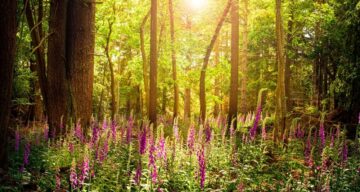
By opening up the woodlands it will allow wildflowers, including native bluebells and foxgloves, to flourish from the increased light and space on the woodland floor.
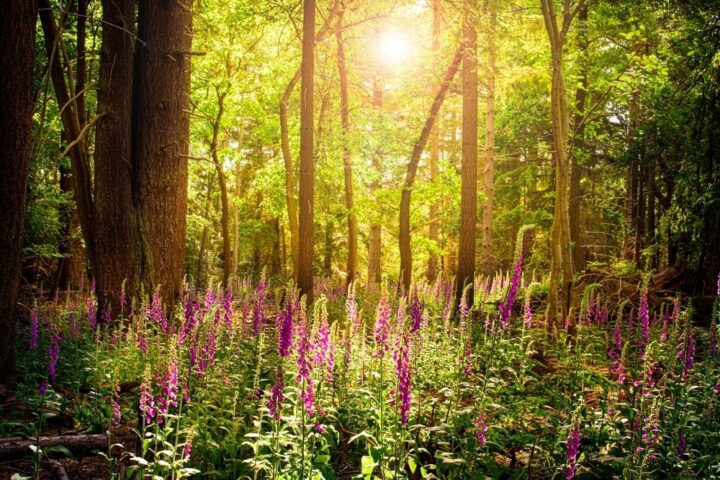
As part of the grassland management works, new livestock fencing has been installed, and work to increase the variety of insects and pollinators has occurred. Also, wetland works have also taken place to benefit amphibians like the common toad.
Species supported:
Bats, birds, beetles, butterflies, common toad, dragonflies, damselflies, great crested newt, plants (heath dog violet, spotted orchid, native bluebells).
Discover more about the CSS work taking place by visiting: www.explore-essex.com/blog/countryside-stewardships
3 spring flower walks to awaken the senses
Explore early spring flowers with our walks to awaken your senses and put a spring in your step.
Posted on 18th February 2026
Read article
3 Wetland and Wildlife Walks
Essex Country Parks contain many stunning and diverse landscapes, flora and fauna which is why we are shining a spotlight on our favourite waterside places for this year’s World Wetlands Day.
Posted on 27th January 2026
Read article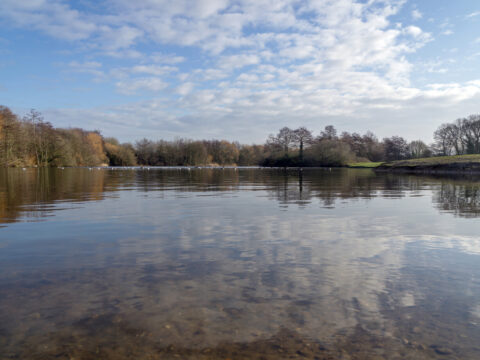
A year in the life of a country park
Ever wondered what goes on behind the scenes at a country park? Here park manager, Gavin Leonard, reflects on a year in the life of Belhus Woods during 2025.
Posted on 17th December 2025
Read article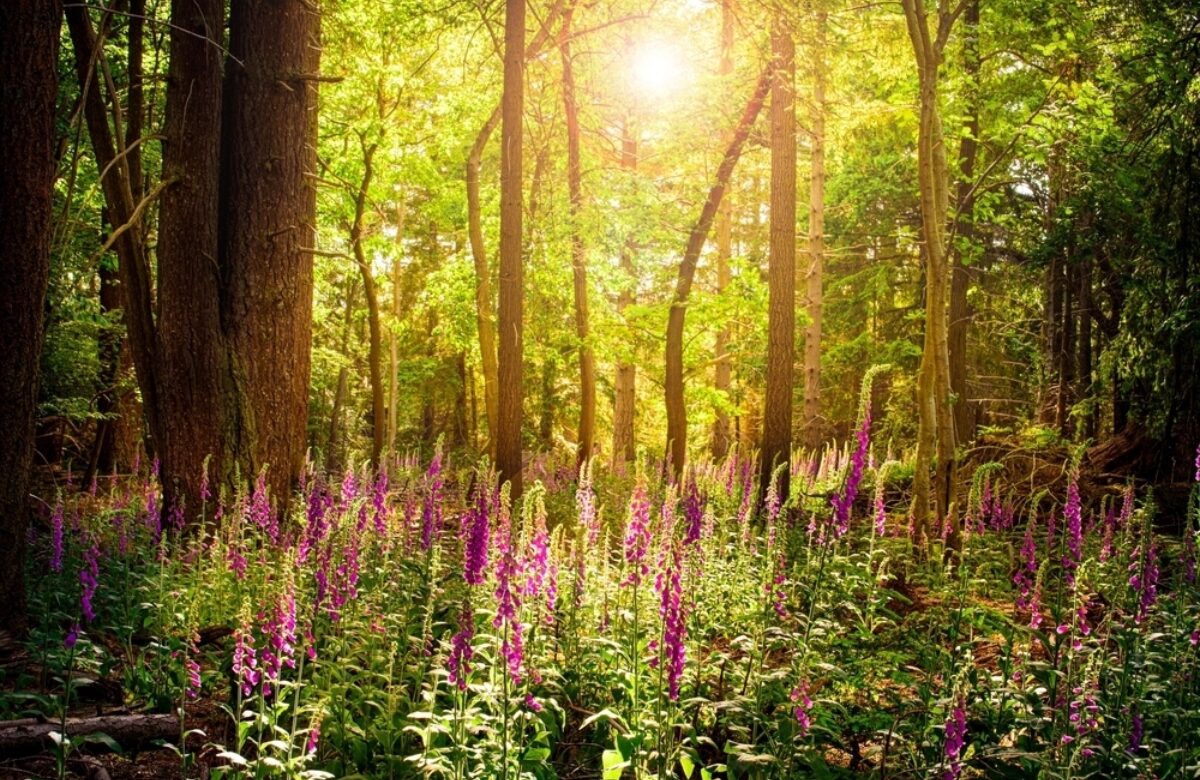
Tagged with
Related blogs
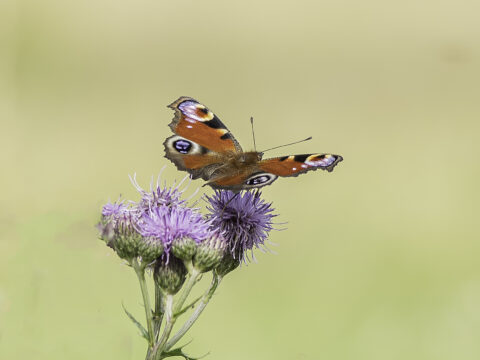
Get Busy Spotting Butterflies
Read more about the importance of monitoring butterflies and how you can get involved.
Posted on 24th July 2026
Read article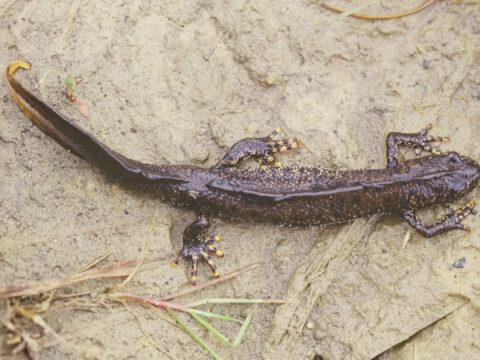
Amazing amphibians and reptiles at Essex Country Parks
Amphibians and reptiles are important for our grassland, wetland and woodlands and we are lucky to have many of the native species at our Essex Country Parks.
Posted on 1st July 2026
Read article
Meet the animals helping to look after our country parks
Find out more about the livestock grazing Essex Country Parks, naturally managing grass and scrub to allow wildflowers and insects thrive.
Posted on 9th June 2026
Read article