Creating a buzz for World Bee Day at Essex County Parks
We’re celebrating World Bee Day (Wednesday 20 May) to raise awareness about the essential role bees, and other pollinators, play in keeping our parks, places and planet healthy.
Posted on 28th April 2026
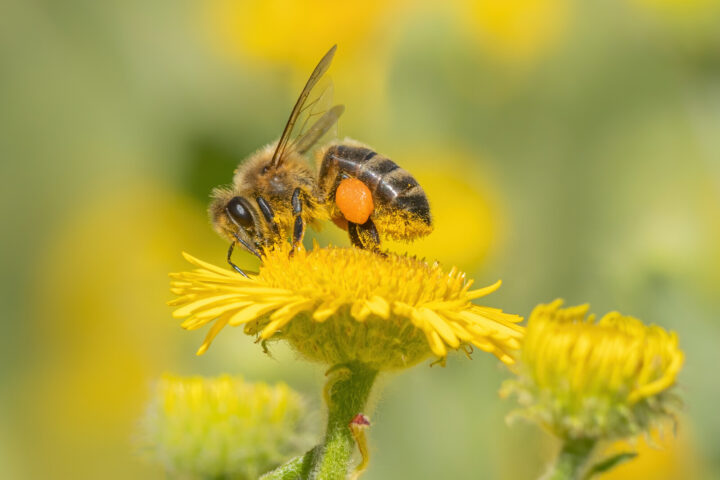
Did you know, there are three broad types of bees: Honeybees, bumblebees and solitary bees?
While we often hear 'save the bees' it normally (and incorrectly) refers to honeybees, which are farmed by humans, are mostly non-native strains and are not endangered.
However, bumblebees and solitary bees are our endangered native bees. They have suffered huge declines in recent years, which has been partially driven by the loss of wildflower-rich grasslands and is a reason why our landscape restoration work at Essex Country Parks is so important.
Bumblebees and solitary bees are also important pollinators as they can pollinate a wider range of plants, including some species honeybees can’t pollinate.
In fact, in some situations the presence of managed honeybees can negatively impact our native bees due to competition for limited floral resources.
Solitary bees at Essex Country Parks
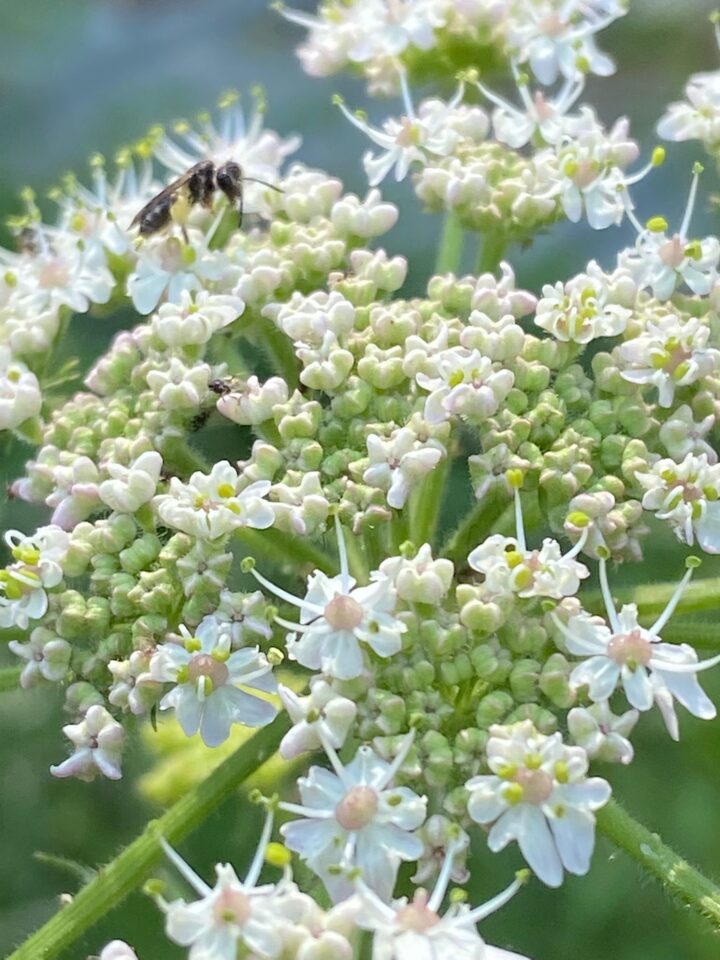
There are over 270 species of solitary bee in the UK.
Most solitary bees are ground-nesting (they live in tiny little burrows they excavate in the soil or on sandy banks), but some also use wood cavities, plant stems, cracks in walls and bee hotels.
Excitingly, the team at Hadleigh Country Park have recently spotted some Gwynne’s mining and red mason bees at the site.
Essex Country Parks teams are working hard behind the scenes to boost flora and conditions for pollinators.
We take a look at two sites where bee surveys are taking place or are about to take start, to monitor these important insects for the future.
Bees at Belhus Woods Country Park
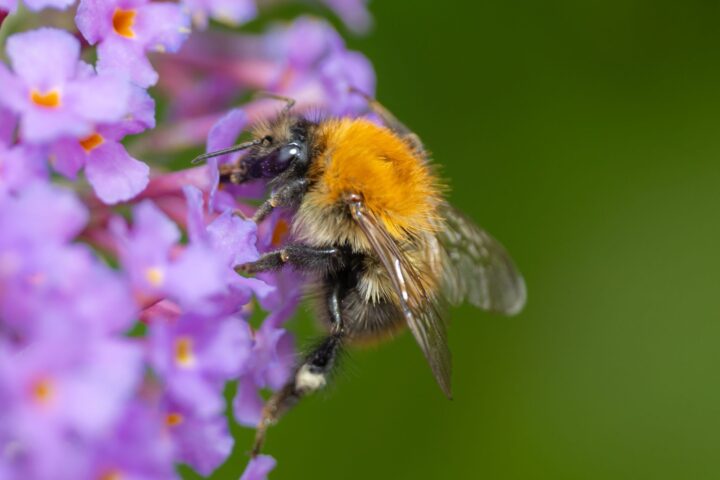
At the Belhus Woods Country Park the team have been busy with a landscape restoration and habitat management programme of the woodlands, wood pasture and grasslands (as well as some wetland works). Specifically the team are hoping to attract more carder bees to site.
Regular surveys of the grasslands have revealed an abundance of bees such as:
- Red-tailed bumblebee
- Hairy-footed flower bee
- Clark's mining bee
- Short fringed mining bee
- Green-eyed flower bee
- Early bumblebee
- Buff-tailed bumblebee
- Common carder Bee, and
Western honeybee
Read more to find out what they are doing and why at Belhus Woods to increase biodiversity at the park.
Rare bees at Hadleigh Country Park
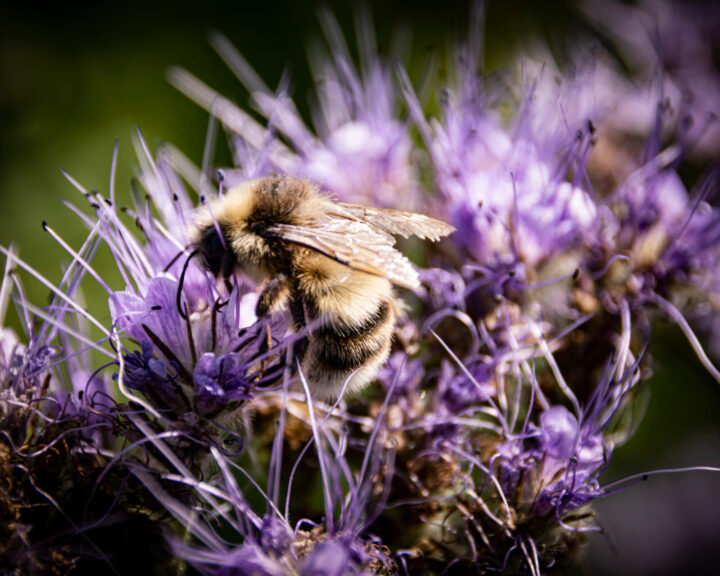
Hadleigh’s team have been working to restore its rare Thames Terrace grassland by clearing dense scrub and returning it to a valuable grassland habitat.
As part of a natural land management method, Cheviot goats (and other livestock), are helping to manage the low scrub that would otherwise overtake the valuable grasslands and to help rare bee species found on site to thrive by creating the right conditions for them such as:
- Shrill carder bee
- Brown-banded carder bumblebees
- Gwynne’s mining bees
- Red mason bees
- As well as butterflies, and glow-worms
The Hadleigh team are also mapping out a new ‘transect’ for the Bumblebee Conservation Trust BeeWalk survey. Once, this is complete it’ll help provide a monthly recording of the bumblebee species onsite.
The team are particularly looking out for the shrill carder and brown-banded carder bees, two rare species of bumblebee that we are lucky to have at the site.
Want to help support our native bee populations at home?
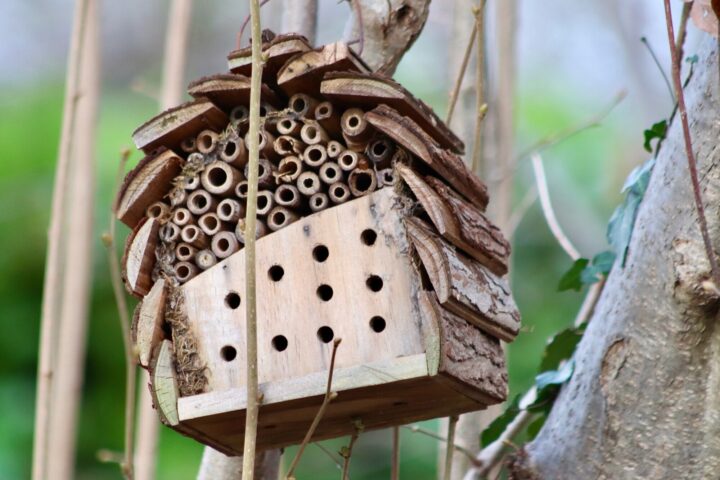
Why not build a bee hotel?
They come in all shapes and sizes and building one (or more) is a simple, fun craft and is a great way to help your children become interested in the natural world around them.
Read our ‘How to make a bee hotel’ blog and discover some interesting facts about historic beekeeping at Cressing Temple Barns too.
Lastly, please remember: When visiting with dogs please keep them on a lead and under control around livestock and wildlife. Read our blog on how Dogs at Essex Country Parks and visit responsibly.
Filter by tag
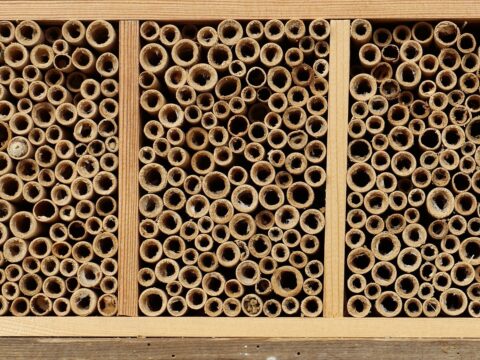
Get busy and make a bee hotel
It's the perfect time to help the bee population thrive in your garden. Bees are essential to our ecosystem as they help flowers and fruit pollinate. Building a bee hotel will help your garden look blooming beautiful whilst helping maintain a healthy bee population.
Posted on 24th April 2025
Read article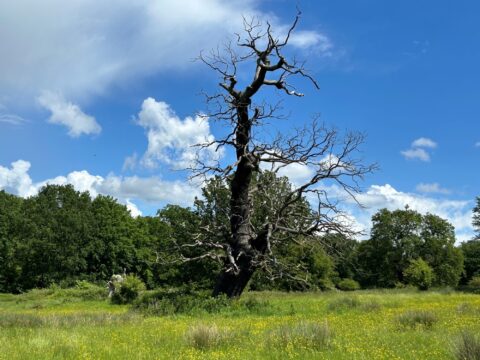
Essex Country Parks: Restoring Landscapes and Habitats for the Future
An ambitious programme of landscape restoration is taking place at the Essex Country Parks to boost biodiversity and strengthen habitats for rare, declining and protected species for the future.
Posted on 21st July 2025
Read article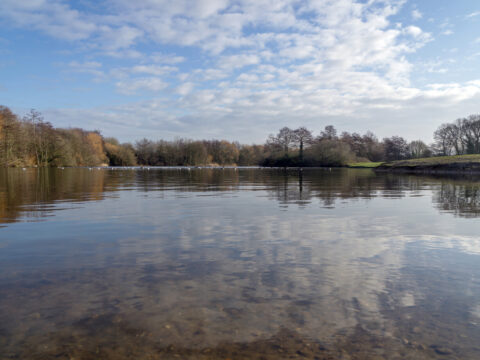
A year in the life of a country park
Ever wondered what goes on behind the scenes at a country park? Here park manager, Gavin Leonard, reflects on a year in the life of Belhus Woods during 2025.
Posted on 17th December 2025
Read article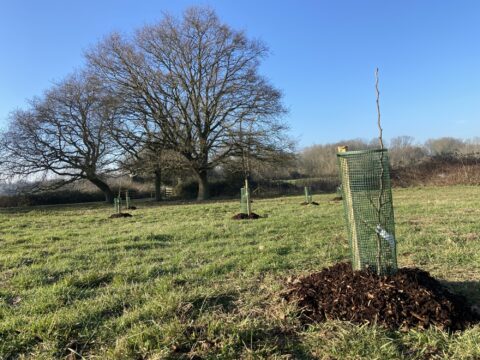
Getting Fruity: New Community Orchards planted at the Essex Country Parks
Native, East Anglian fruit trees planted at three Essex Country Parks.
Posted on 22nd April 2024
Read article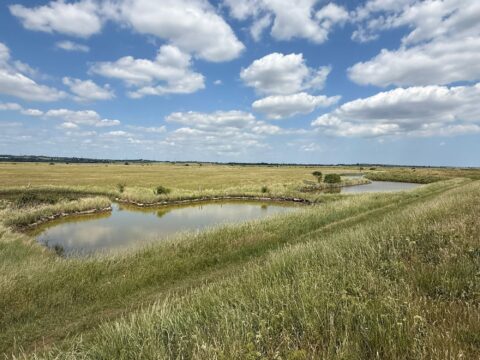
3 Wetland and Wildlife Walks
Essex Country Parks contain many stunning and diverse landscapes, flora and fauna which is why we are shining a spotlight on our favourite waterside places for this year’s World Wetlands Day.
Posted on 27th January 2026
Read article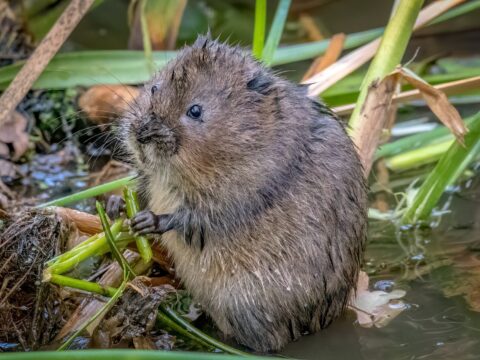
Wonderful wildlife works at Essex Country Parks
Discover the latest updates on our habitat creation and landscape restoration to celebrate World Wildlife Day.
Posted on 26th February 2026
Read articleTagged with
Related blogs
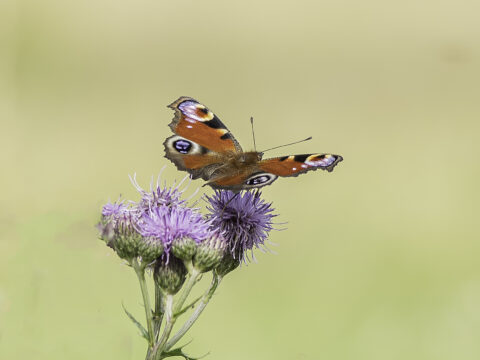
Get Busy Spotting Butterflies
Read more about the importance of monitoring butterflies and how you can get involved.
Posted on 24th July 2026
Read article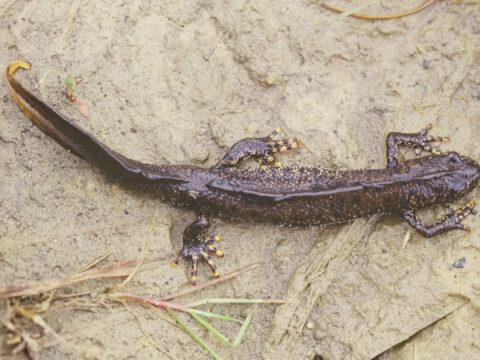
Amazing amphibians and reptiles at Essex Country Parks
Amphibians and reptiles are important for our grassland, wetland and woodlands and we are lucky to have many of the native species at our Essex Country Parks.
Posted on 1st July 2026
Read article
Meet the animals helping to look after our country parks
Find out more about the livestock grazing Essex Country Parks, naturally managing grass and scrub to allow wildflowers and insects thrive.
Posted on 9th June 2026
Read article