3 Wetland and Wildlife Walks
Essex Country Parks contain many stunning and diverse landscapes, flora and fauna which is why we are shining a spotlight on our favourite waterside places for this year’s World Wetlands Day.
Posted on 27th January 2026
Take a waterside wander and spot overwintering birds and all year round waders at the Essex Country Parks.
If you are lucky, you may also spot a water vole or two!
At the Essex Country Parks we have many wetland features, from marshlands and estuaries to lakes.
Wetlands are land areas that are saturated or flooded with water either permanently or seasonally. Wetlands include inland (marshes, lakes, rivers, floodplains, peatlands and swamps), coastal (saltwater marshes, estuaries, mangroves, lagoons and coral reefs) and human made (fish ponds, rice paddies and salt pans).
At the Essex Country Parks we have been undertaking lots of funded landscape restoration and habitat creation works to protect and boost the wildlife that rely on our wetland areas and more.
1) Cudmore Grove Country Park, East Mersea for coastal mudflats
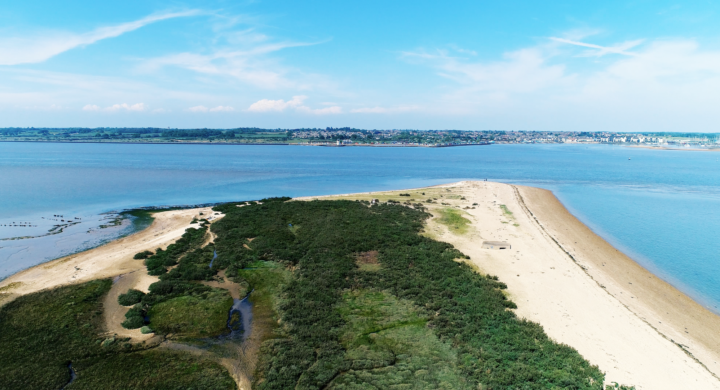
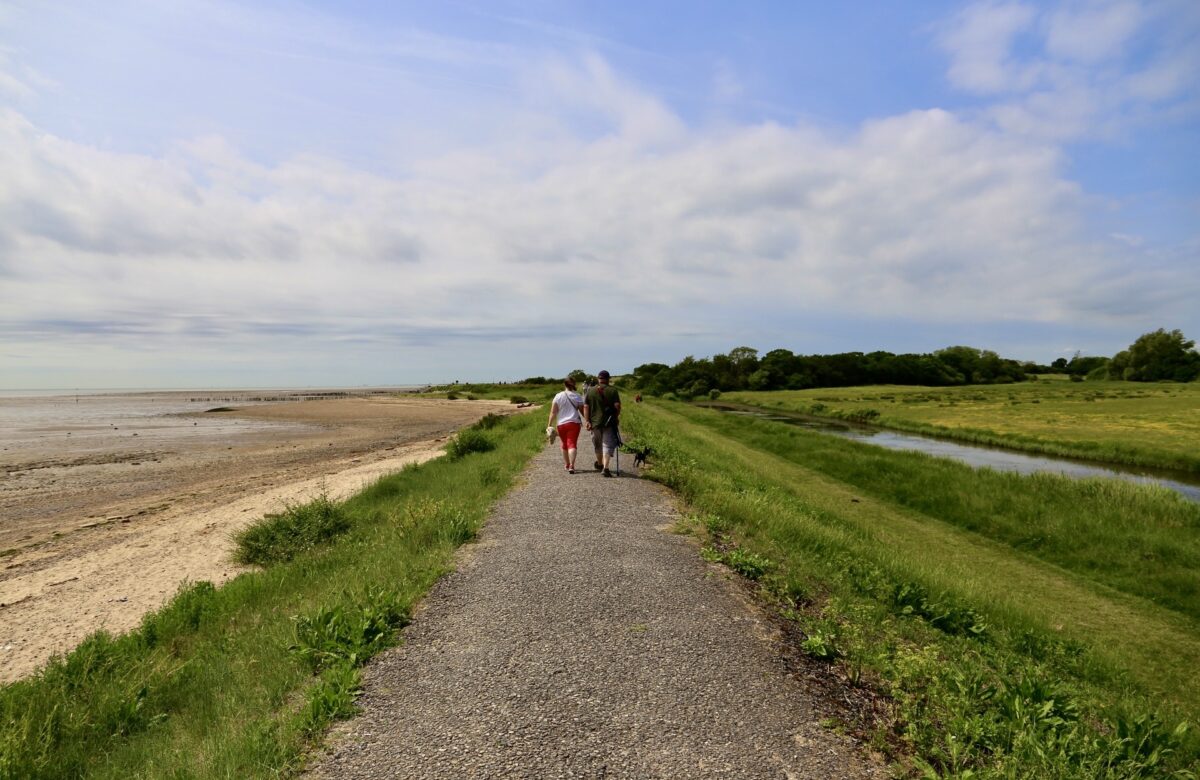
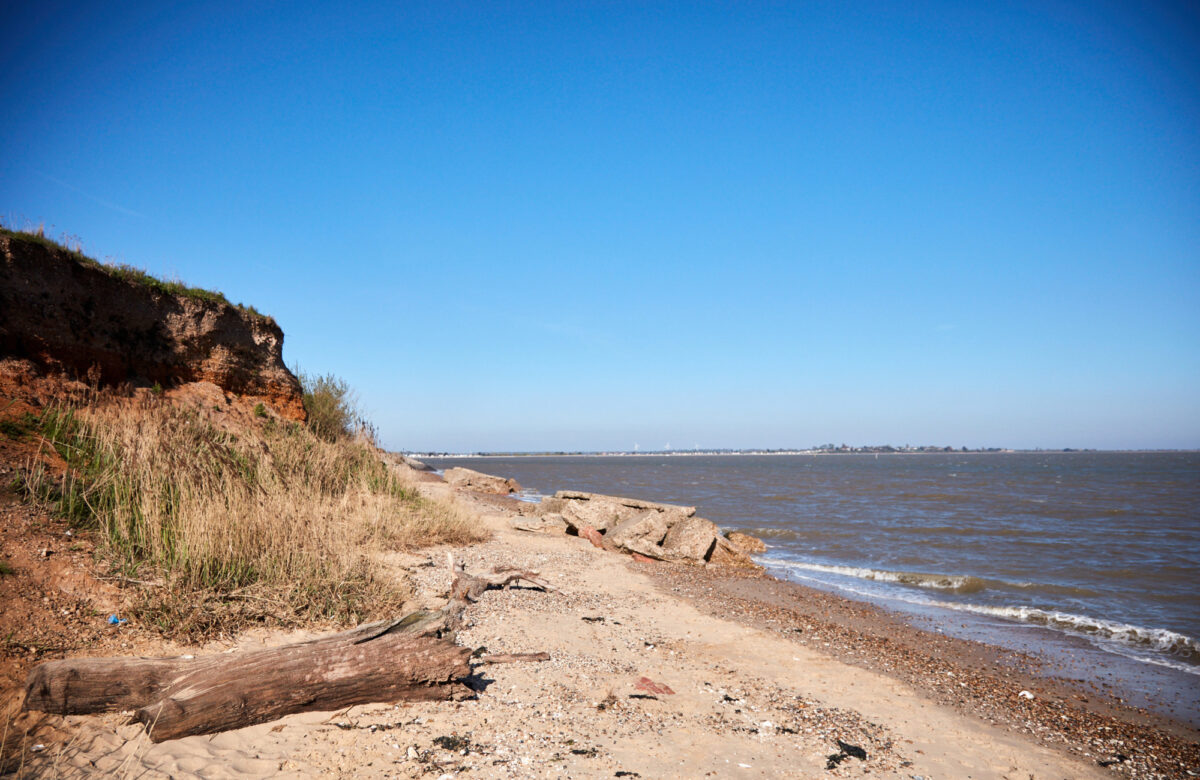
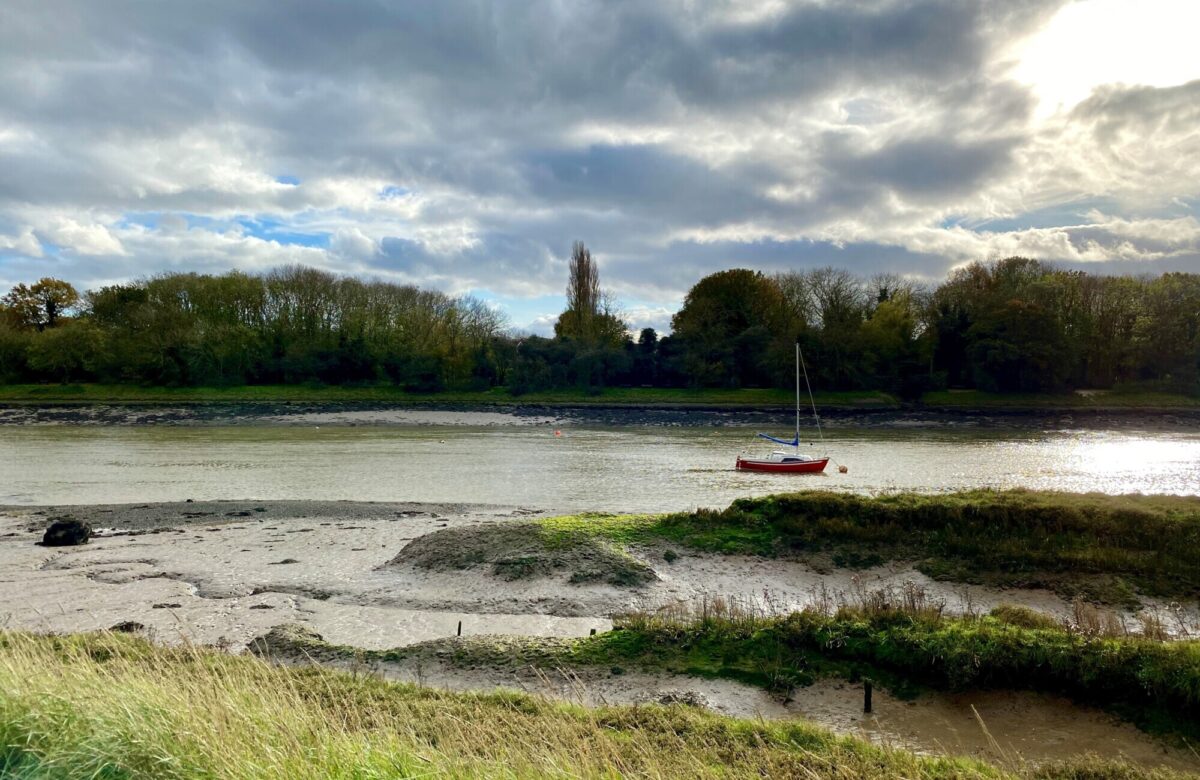
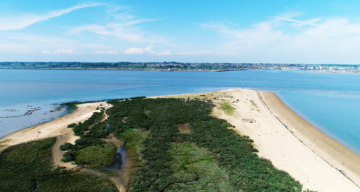
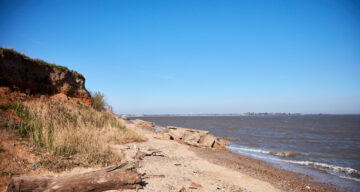
Cudmore Grove Country Park is a nature reserve of unique coastal habitats, situated on the Blackwater and Colne Estuaries.
The low-lying meadow is managed as a Site of Special Scientific Interest (SSSI) nature reserve as it attracts waders and water birds throughout the year.
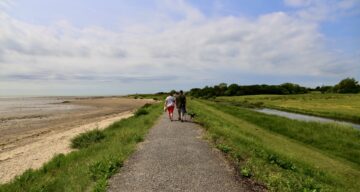
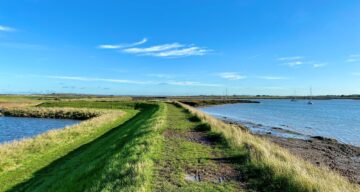
During the winter season duck and waterbirds are on the Colne Estuary and up to 15 types of waders can be found on the rich mudflats. Walk the sea wall for some great views over different types of habitat.
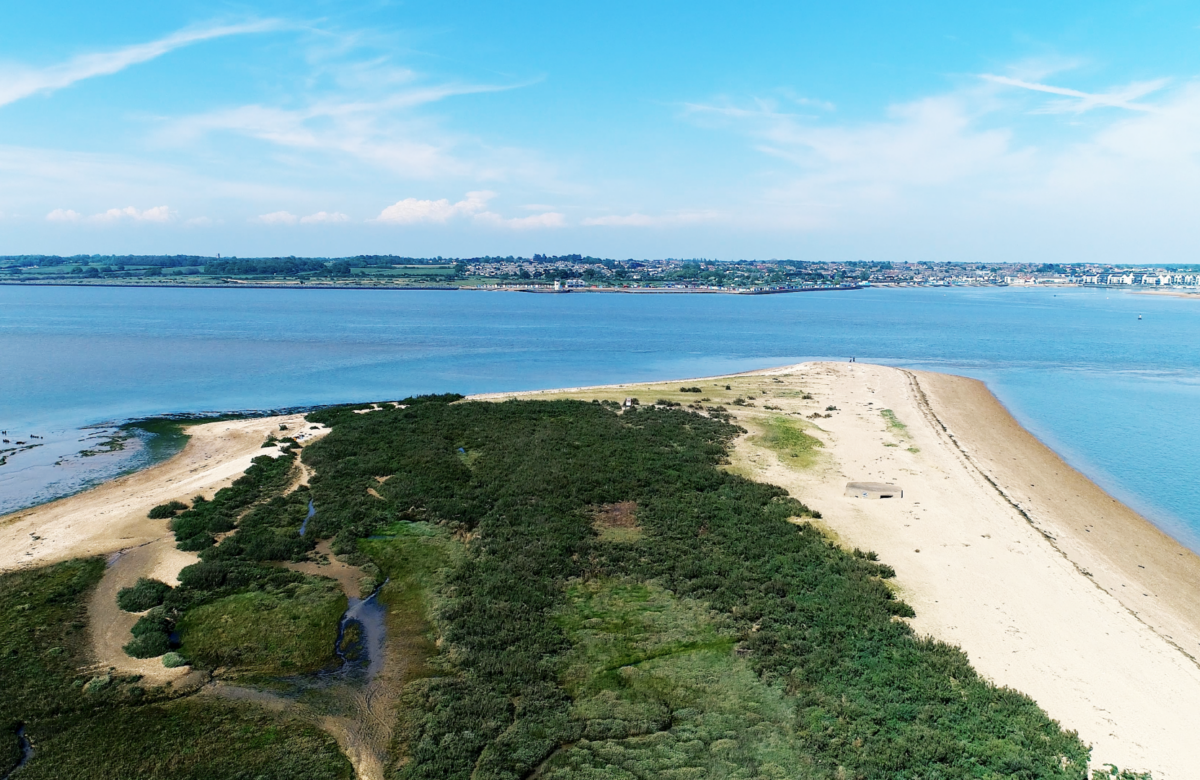
Head from the car park through the meadow and down to the mudflats. Take a moment to enjoy the view and the sound of waves lapping at the shore. Head back up and along the sea wall. Take in the different landscapes and waterbirds from the grazing meadow and borrow dyke on your left, to the mudflats and shingle spit (and remains of the Tudor Blockhouse) to your right. See what you can spot. Remember to check the tides before you travel!
Be aware that work has been taking place during the autumn and winter (2025 to 2026) to install predator fencing to keep the wildlife on the grazing marsh and borrow dyke safe.
Please keep dogs on a lead and pay attention to any signs during your visit. Take particular care during any bird nesting seasons. Some birds nest on the ground. Teams from Bird Aware will help to patrol and protect these areas.
What can I spot?
Hunting birds of prey including kestrel and barn owls can be seen on the meadow, as you head towards the coast. In the summer you'll spot large numbers of butterflies and maybe the occasional lizard. Watch out for snakes in the long grass and use the paths.
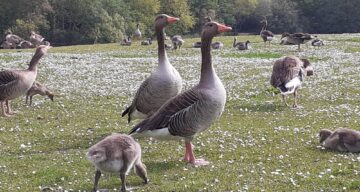
Wigeon and teal can be seen on the grazing marshes in winter, as well as large flocks of brent geese, while in the summer lapwings and avocet sometimes breed and the mudflats are full of small waders including plover.
Take a look at the borrow dyke, you might spot a water vole hole along with swans, ducks, moorhens and coots.
Head to the bird hide close to the car park for little white egrets and herons.
2) Marsh Farm Country Park, South Woodham Ferrers for grazing salt marsh
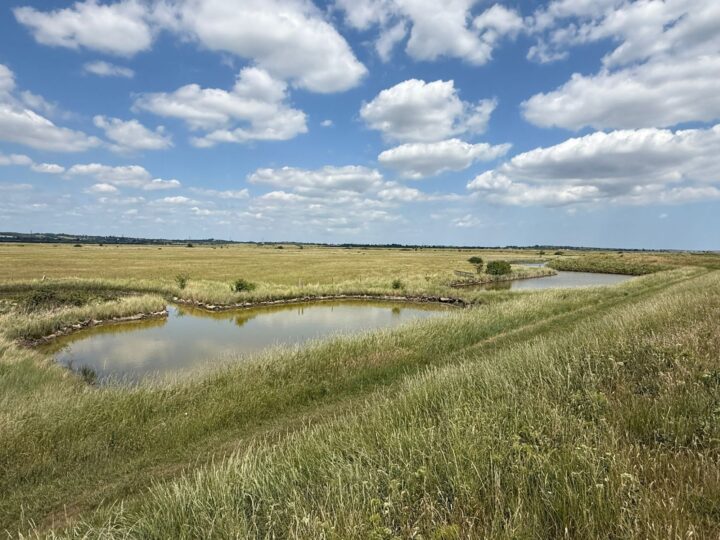
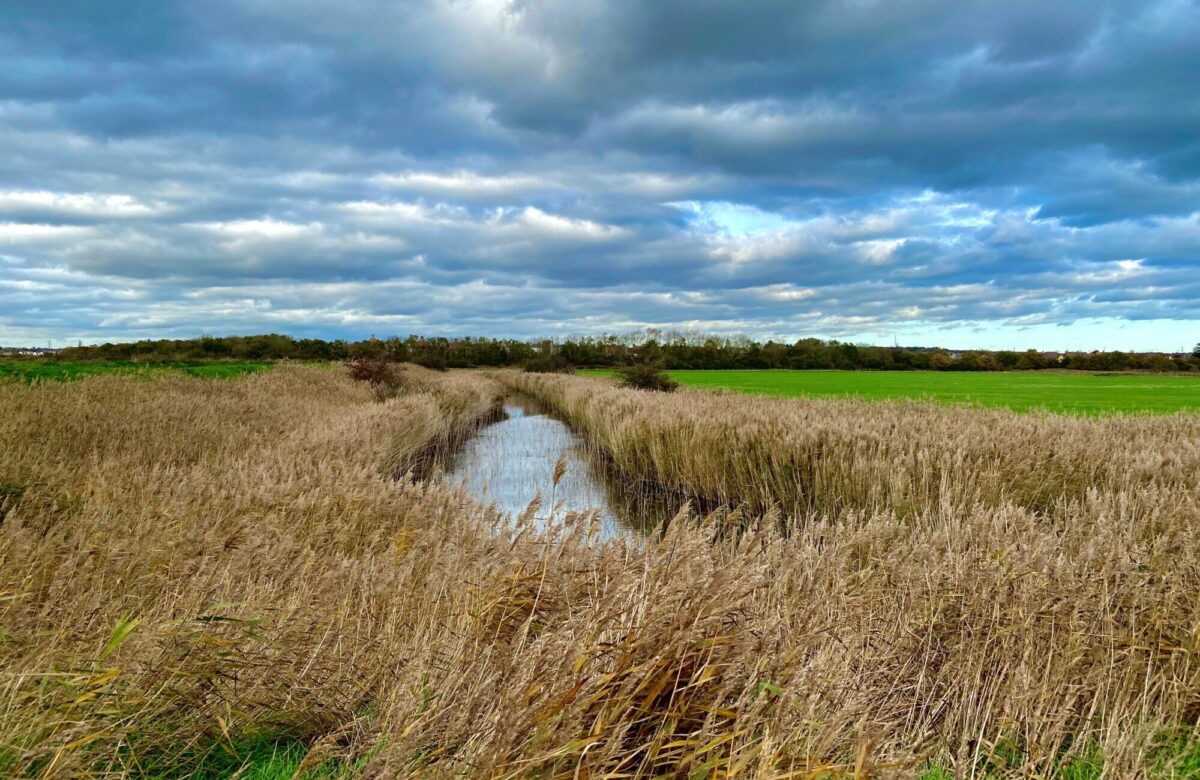
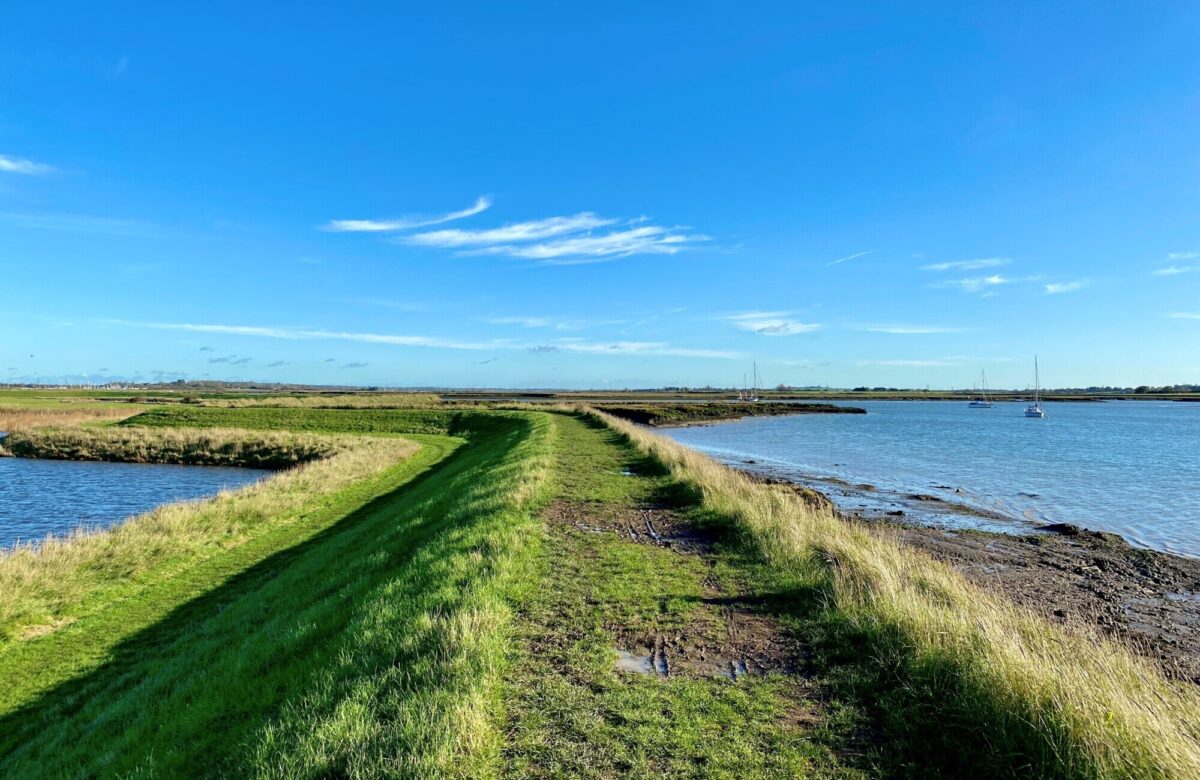
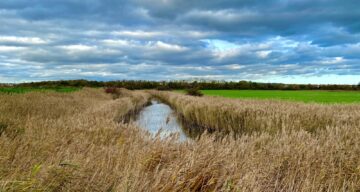
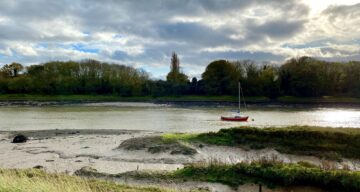
Surrounded on three sides by the River Crouch, Clements Green Creek and Fenn Creek, Marsh Farm Country Park has 300 acres of grazing marsh. Take one of the many routes and enjoy this stunning waterside landscape.
For a long route head right round the site taking the waterside path (to your left as you face the river from the car park) and keep going! For a shorter route head in the same direction, but loop back round taking one of the paths across the marshes.
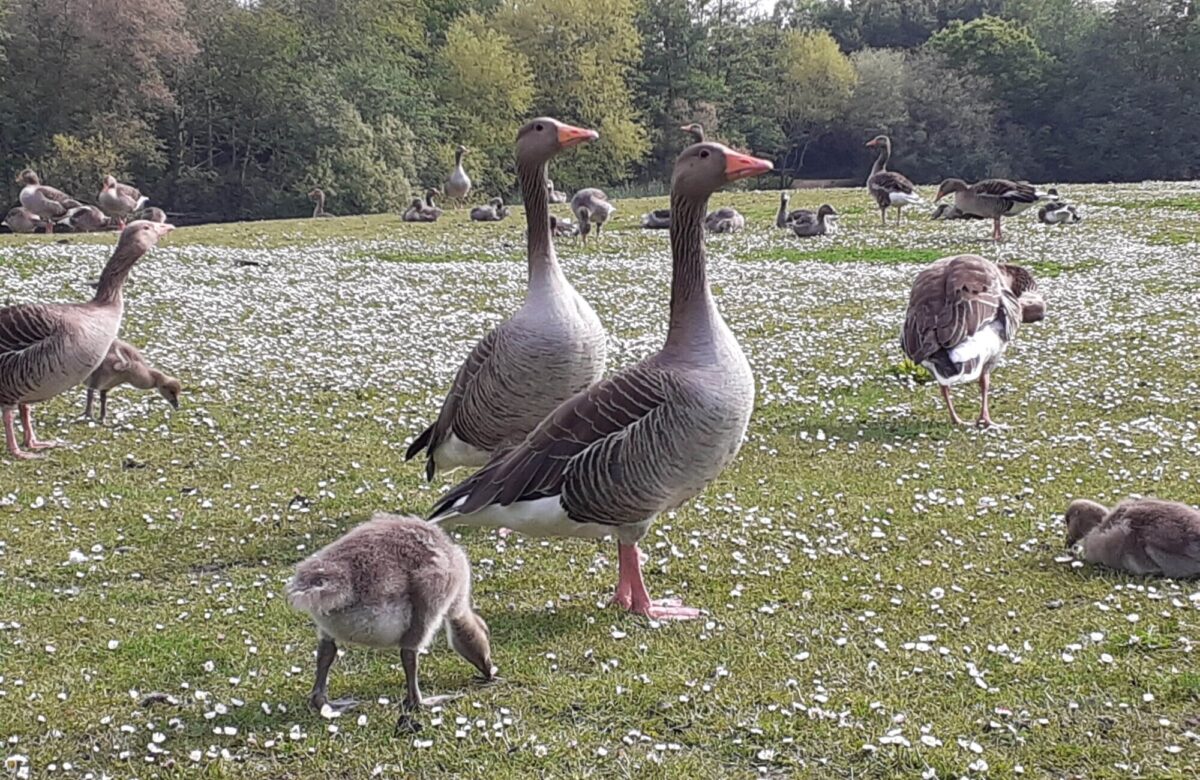
Marsh Farm is recognised as a SSSI because of its importance for overwintering brent geese. The geese migrate from Russia to overwinter on the Essex coast by flying 2,500 miles from the deepest, darkest depths of Siberia.
What else might I spot?
The park itself is also home to many species of waders and ducks in the autumn and winter, and several species breed here in the spring including sedge warblers, cuckoos and skylarks.
When you’re out in the park you may also see water voles. Although they are an endangered species, they can sometimes be seen in their borrows alongside the river. Work is taking place to increase the suitable habitat for the voles at the park.
Please be aware that work has been taking place this autumn and winter to install fencing along the grazing marsh (and in the wildflower meadow) to protect the brent geese.
3) Belhus Woods Country Park, Aveley for lakes
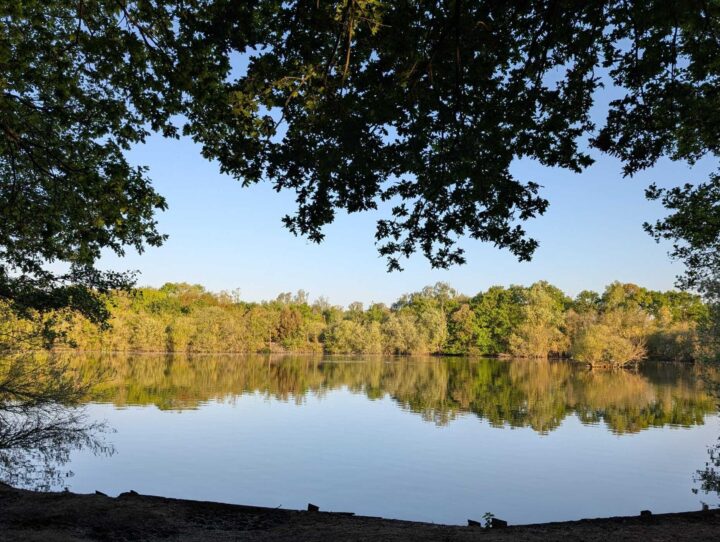
Located in south Essex, Belhus Woods is a haven for wildlife thanks to the ancient woodland, grassland meadows and lakes that are situated throughout the park.
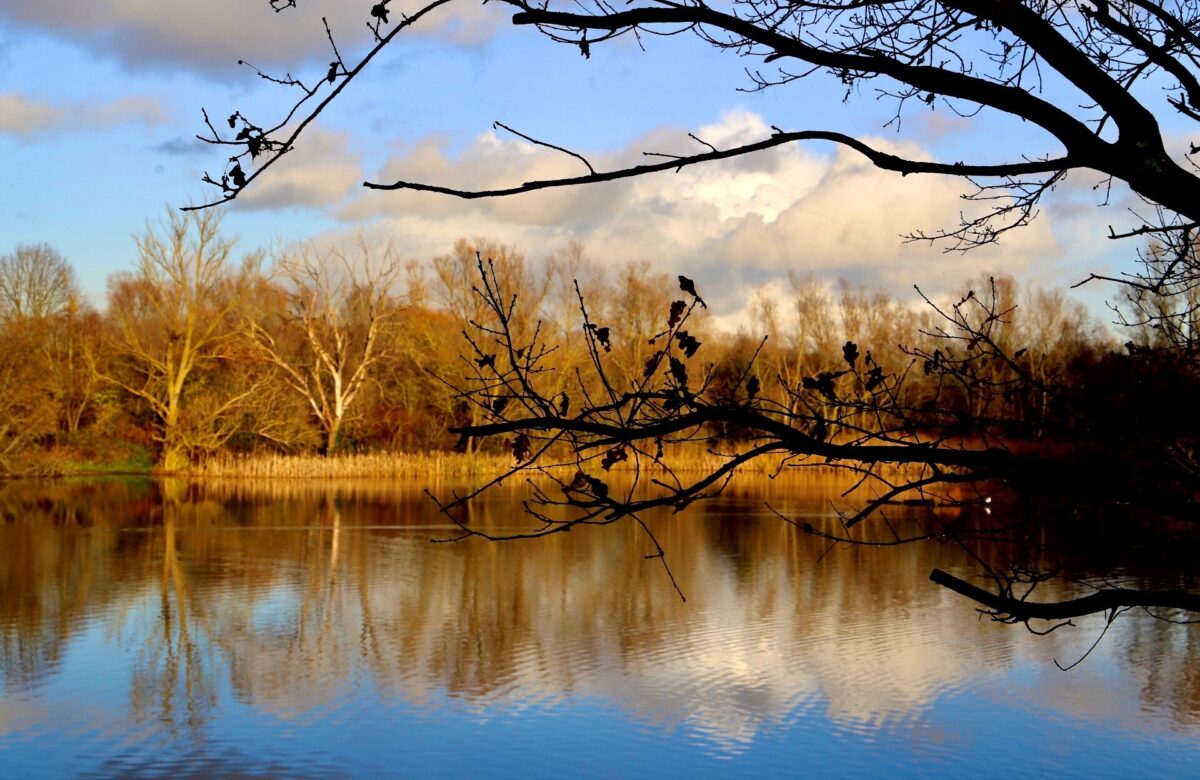
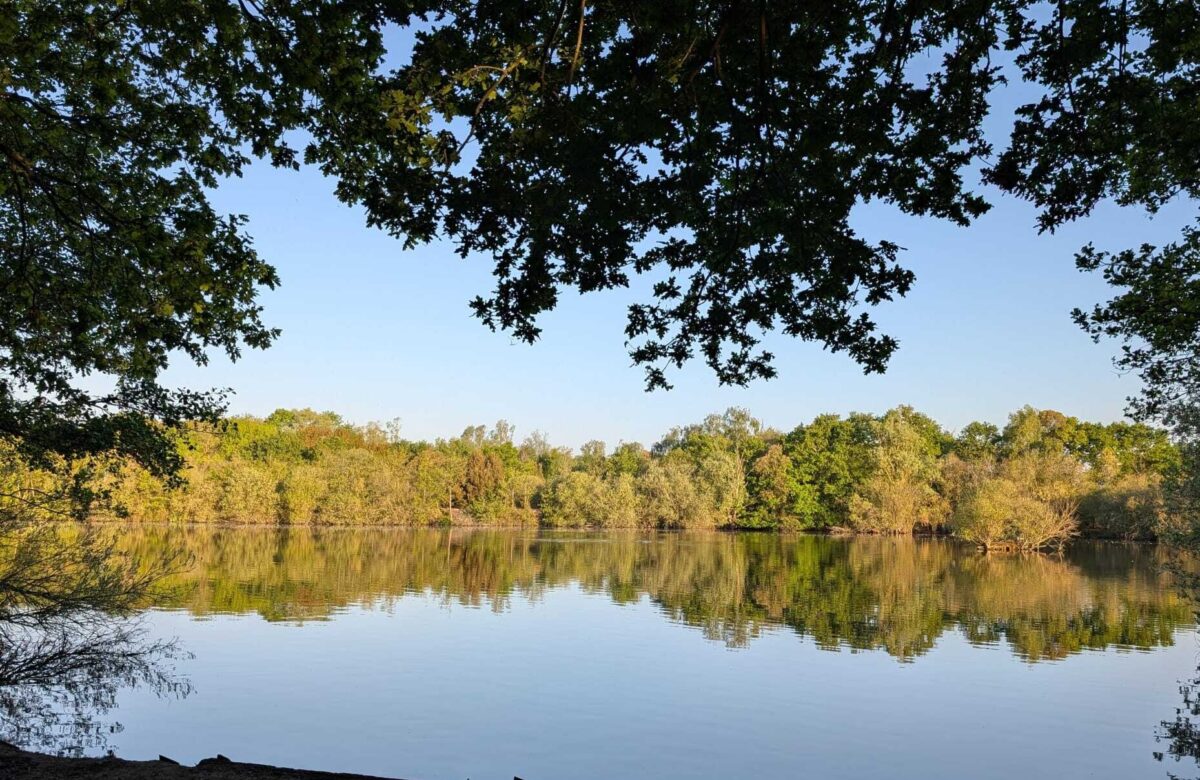
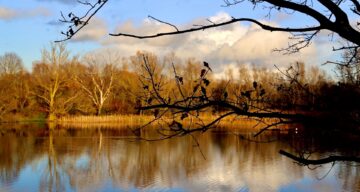
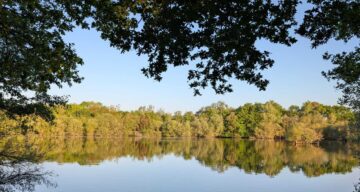
The lakes were created by past gravel extraction and are now a prominent feature of the park with some designated for conservation. A lot of ditch work has also been undertaken at the park to encourage the endangered water vole, and the lakes are home to a variety of fish and insects that are fundamental to healthy wetland and lake population.
Take a stroll and enjoy the wildlife around the lakes. Head out from the café and take the path around the fishing lake. Follow the bridlepath around Whitehall Wood and up to Hunts Hill lake for a longer, circular route.
What might I spot?
Bird life in the park includes mute swans, tufted ducks, woodpeckers, kingfishers, kestrels, owls and even nightingales.
At Hunts Hill Lake the park team have installed nesting rafts for terns and carried out works on the bank to encourage sand martins to return and nest.
The area around Hunts Hill Lake is an area protected for conservation and also home to many orchids and wildflowers, an excellent place to spot butterflies and moths and even lizards in the summer months. This area is due to be grazed in Summer 2026 to help improve it further.
Please keep an eye on signs in conservation areas and keep any dogs under control and on the lead when asked for the protection of our animals and yours.
Read more about the landscape restoration taking place at Belhus Woods.
Tagged with
Related blogs

Explore a Series of Essex Heritage Talks this Autumn
As a county Essex has a rich history and it keeps revealing its past, so why not come and see what’s surfaced this autumn.
Posted on 25th September 2026
Read article
3 amazing autumnal walks
Autumn is a great time to explore the great outdoors, enjoy beautiful golden scenes, crisp air, fiery foliage, and rustling leaves with a walk at an Essex Country Park.
Posted on 21st September 2026
Read article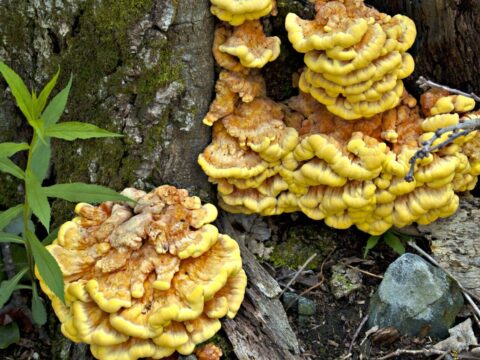
Spot mushrooms and fungi this autumn
Enjoy all this season has to offer and you can use this spotters guides to discover some of autumn’s colourful flora.
Posted on 17th September 2026
Read article