A year in the life of a country park
Ever wondered what goes on behind the scenes at a country park? Here park manager, Gavin Leonard, reflects on a year in the life of Belhus Woods during 2025.
Posted on 17th December 2025
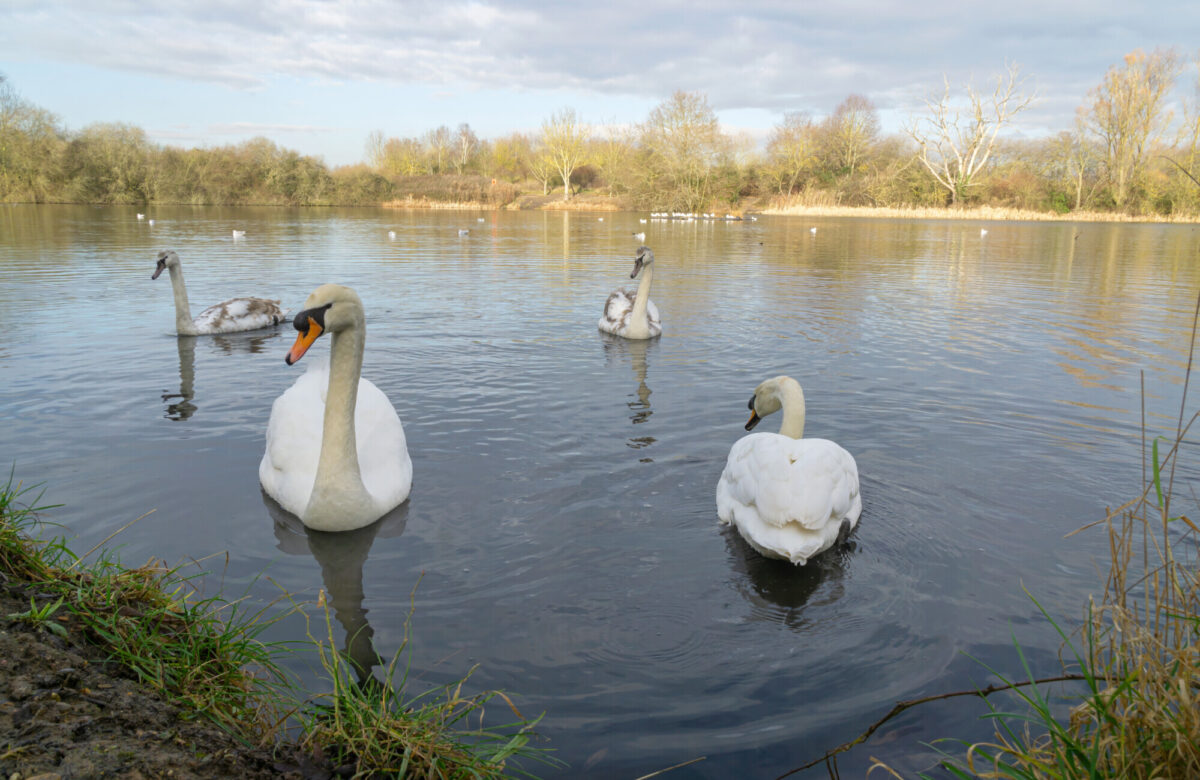
Every year, Belhus Woods Country Park in the south west of the county welcomes thousands of visitors, all of whom flock to the park.
Whether it's to walk their four-legged friends, watch wildlife around the lakes, enjoy bluebell and woodland walks or take their children to the play area where they can while away the hours before relaxing at the visitor centre and café.
Belhus Woods park manager Gavin Leonard talks us through the work taking place behind the scenes and the wildlife spotted through the changing seasons. Read on to discover the 'year in the life of a country park'.
January and February
In the new year the team continued with their woodland management. This included coppicing and replanting of hazel trees near the playground. This practice lets in more sunlight to help flowers and other plants bloom. The area was also dead hedged to protect the new growth from deer in the spring.
Other work during January and February included improvements on the sand martin nesting bank near Hunts Hill Lake and managing the scrub near the Long Pond ahead of the introduction of grazing cattle.
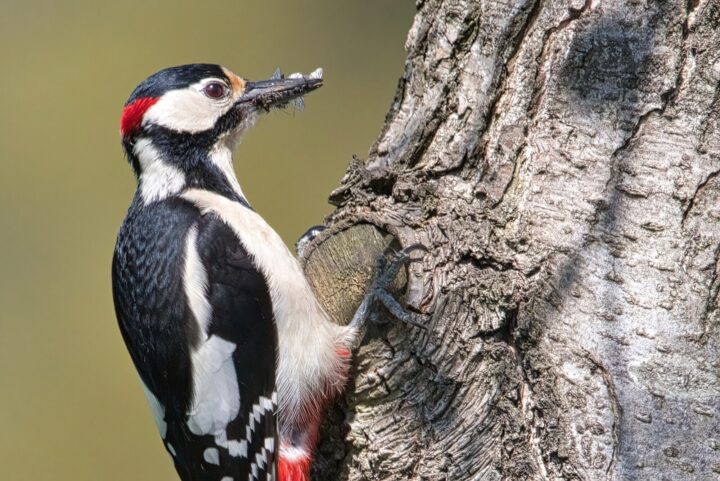
Wildlife of note saw goosander returning to the first lake for the second-year running. Lesser spotted woodpecker numbers strengthened and sightings of peregrine falcons were reported.
March and April
As the weather gets better visitor numbers start to increase in March as does wildlife activity.
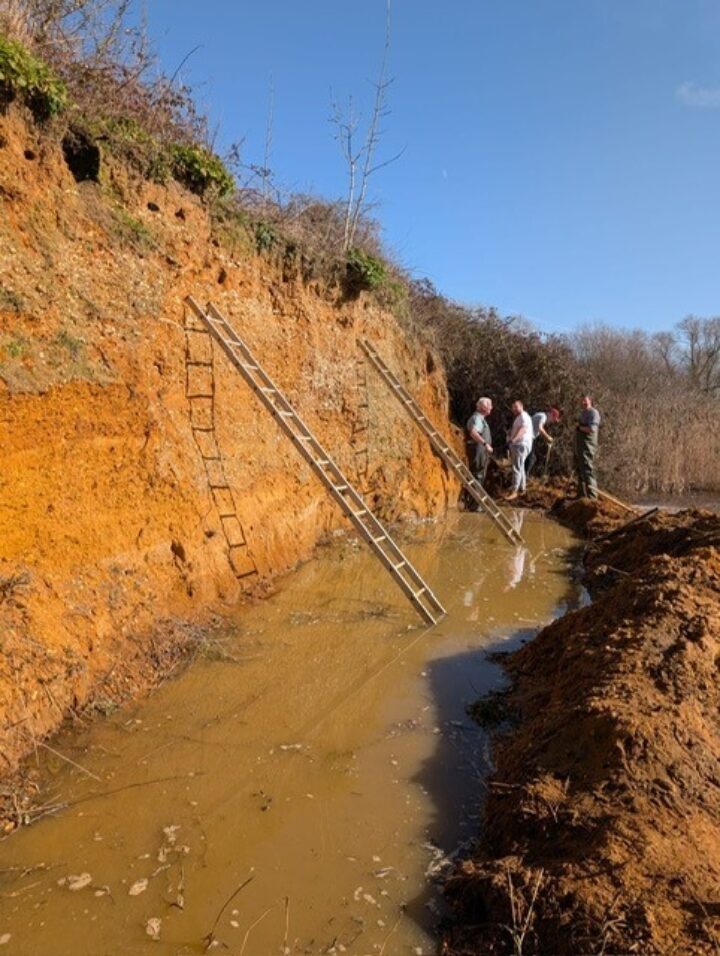
The volunteers made themselves busy with sand martin bank reprofiling, creating sheer sandy cliffs for them to burrow into when they return to our shores in the summer.
During these works great crested newts and slow worms were discovered nearby.
The ranger team planted trees to fill in gaps in hedges, fixed pathways, and started to remove blackthorn from the wildflower meadows that are important for biodiversity.
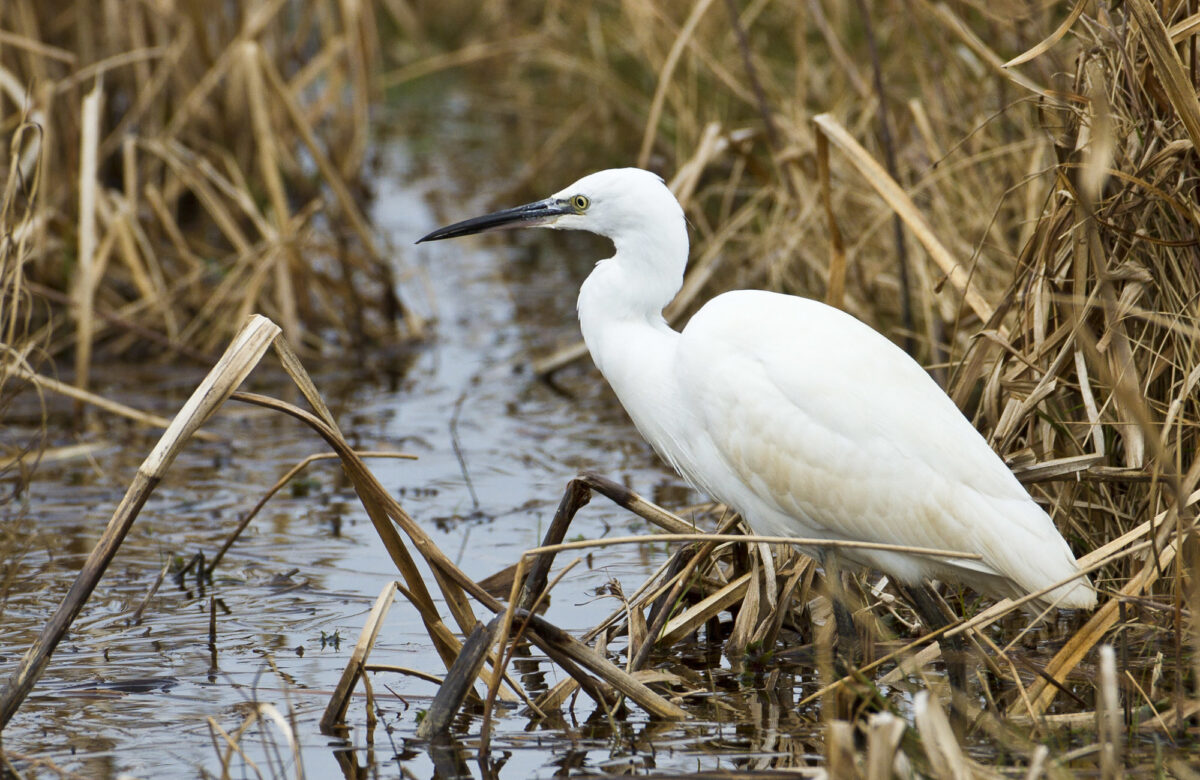
At this time of year wildlife spotted includes the wetland birds that are still out in force, just as the woodland and garden birds are getting more active.
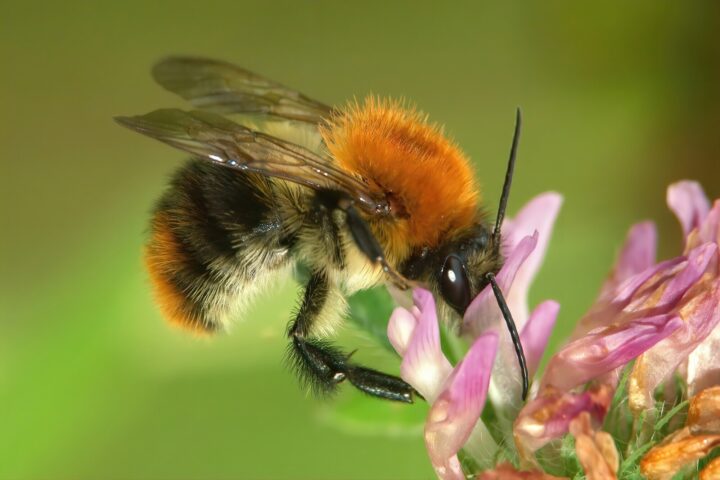
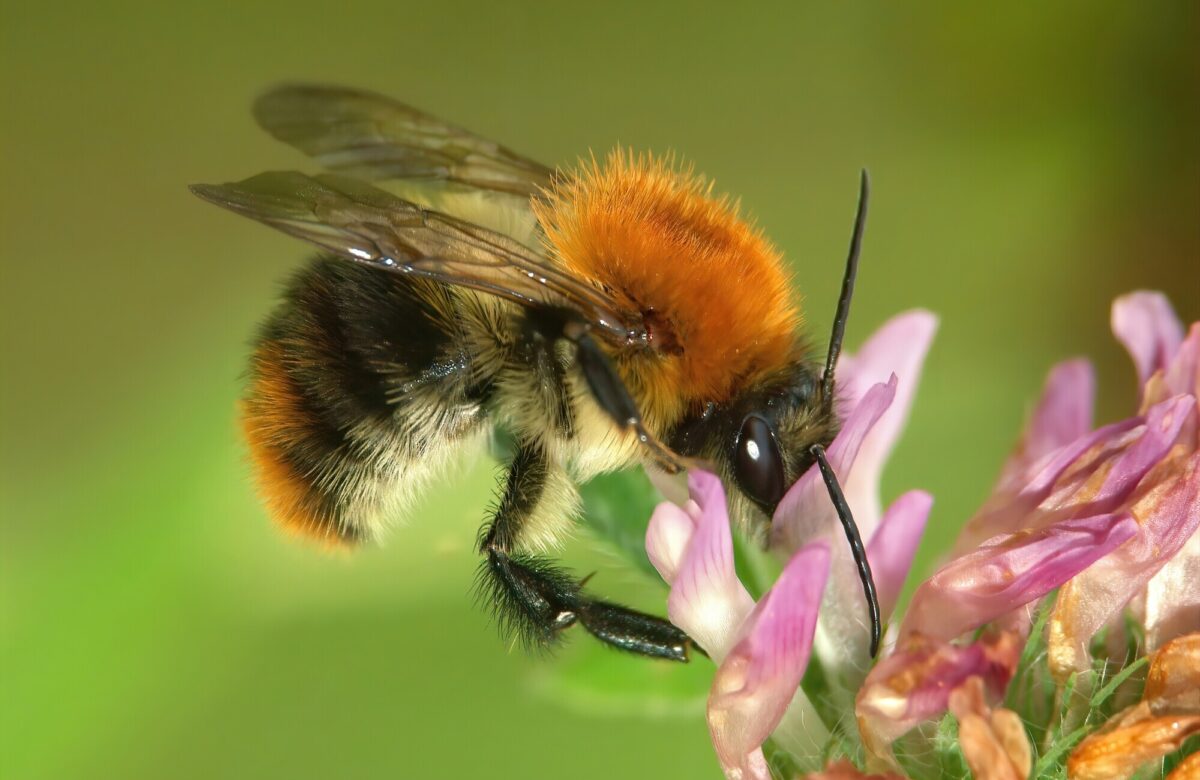
Notable wildlife included the regular sighting of many snipe wading on the shorelines of the lakes. The nightingales returned for the second year in a row, and a grasshopper warbler was heard for the first time in 10 years. And butterflies and bees start to appear.
April sees the start of the butterfly survey. Every year, and on a weekly basis throughout spring, summer and autumn, staff and volunteers walk a set route and record butterfly numbers which are fed into the national data.
May and June
May brings with it the warmer weather and path clearance works start. Mowing is a large part of the work over the summer, with 33 acres of grassland to manage.
May saw the start of a project to build tree shelters in Bumstead scrub. This is an area we’re intending to graze with cattle from 2026 onwards as part of the Essex Country Parks Countryside Stewardship funded landscape restoration and habitat creation programme.
Reptile and bat monitoring joins the bird and butterfly surveys so that we can observe any changes. These observations are fed into our management plans for wildlife going forward.
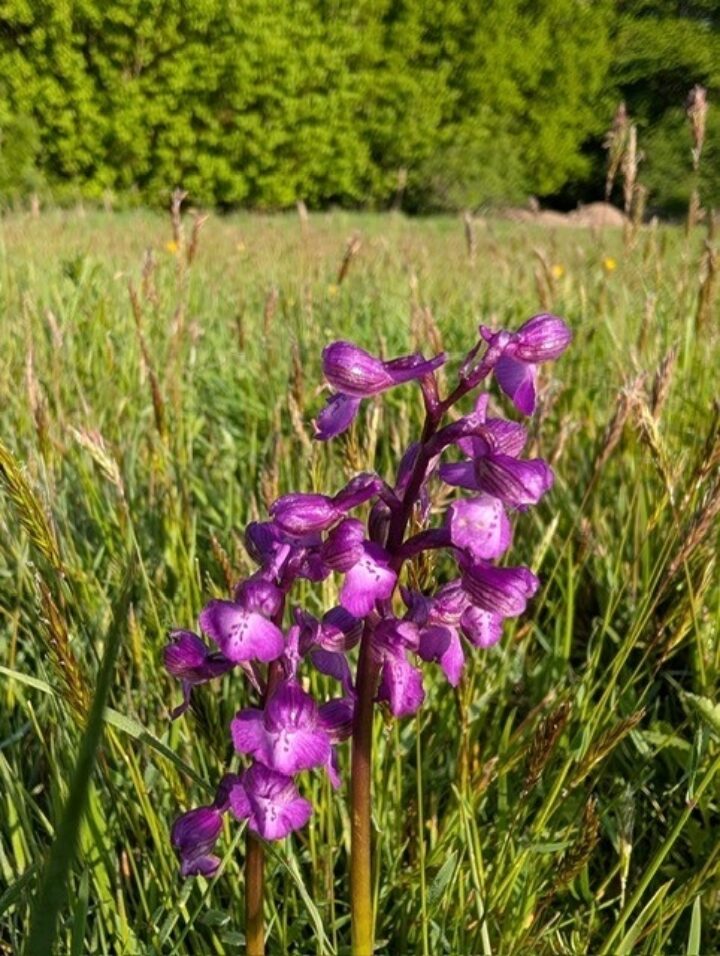
Wildlife of note spotted in the park include cuckoo, spotted flycatchers and brown argus butterflies. In June more butterflies appear including the white admiral butterfly, white letter hairstreak, along with bee, green winged and common spotted orchids.
July and August
As the schools break up, the park holds a summer self-guided trail, where children could follow the fairy doors throughout the park and complete an activity booklet.
The hot weather in July has an impact on the park. The team test the water to ensure blue/green algae isn’t developing in the lakes, check mature trees for signs of drought damage and water young trees to keep them healthy.
Further habitat work included the annual ragwort pulling and hay cut and August saw the opportunity to start some tree works, including tree safety work and a start on the understory in this year’s coppice plot.
Species surveys continued throughout the month.
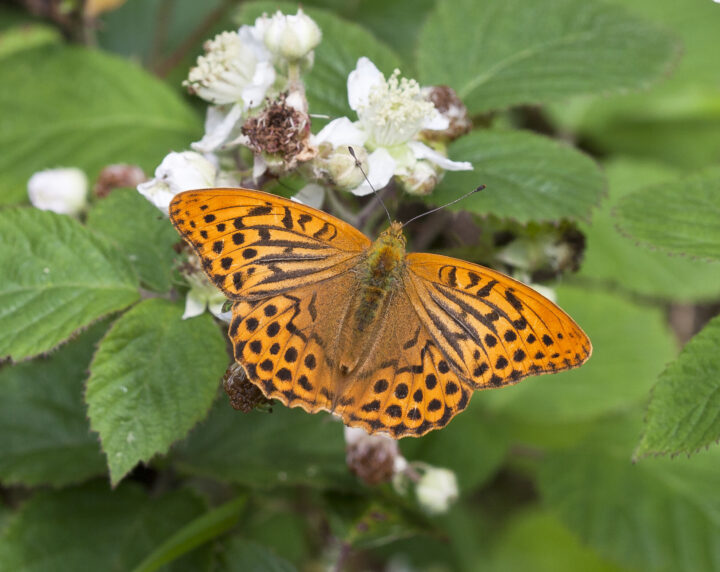
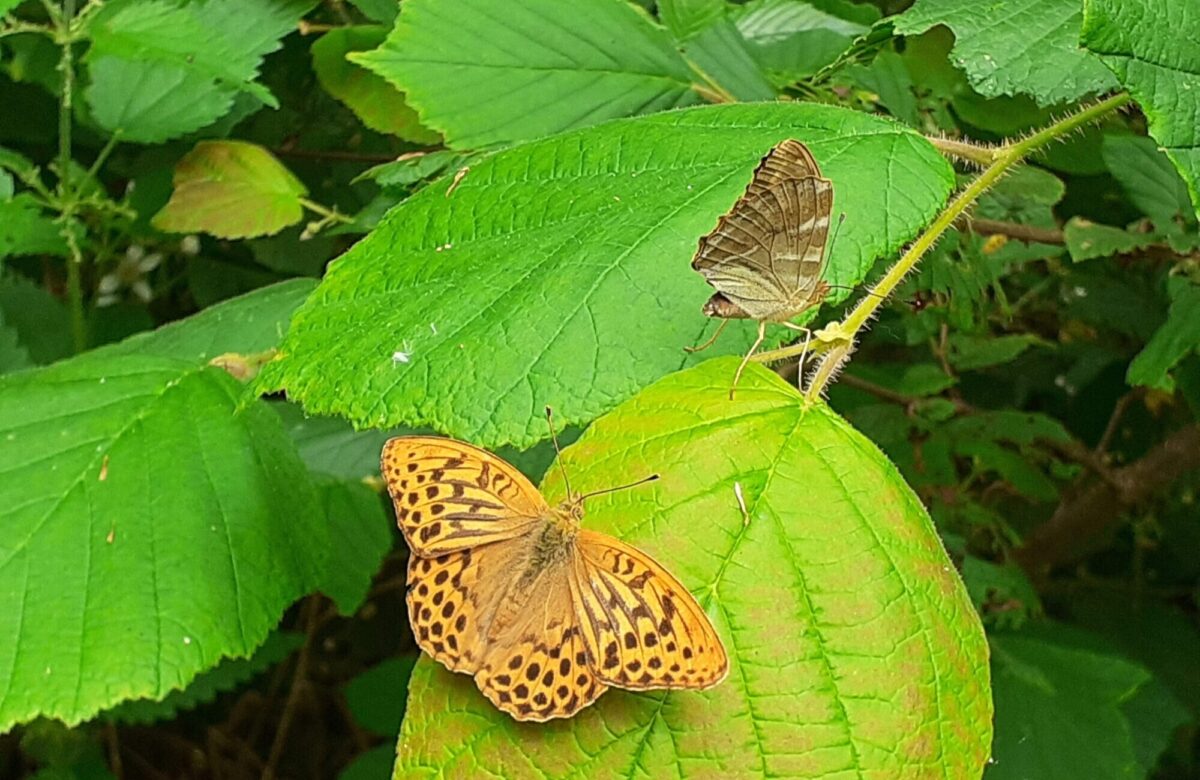
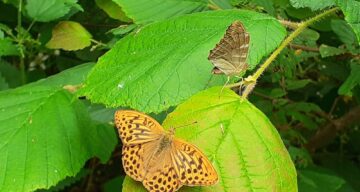
Wildlife included a brief sighting of a nightjar and silver washed fritillaries in areas they’d not been seen before. A juvenile nightingale was spotted, presumably the offspring of a breeding pair spotted earlier in the month. Wildlife of note in August included an exciting appearance of clouded yellow butterflies, as well as spotted flycatchers and lesser spotted woodpeckers.
September and October
More of the team undertook their chainsaw training in September, a welcome addition to the winter tree work.
The process of firewood creation takes place, where we bring in the byproduct wood from last season’s coppice plot. Using a specialised machine, it’s processed into useable firewood for the local community to purchase.
After the completion of the grassland management work for the year, further habitat work was carried out by controlling elm and sycamore in last year’s coppice plot.
Other habitat work included the late mow of the front meadows in front of the park.
October sees a shift in the work from grassland focussed to other habitats. Work includes willow removal from long pond overflow stream to improve aquatic vegetation growth and hopefully make the area more attractive to water voles.
The team continued with the programme of playground maintenance. Half term activities included a Halloween trail and decorations, the coffin selfie booth was particularly popular.
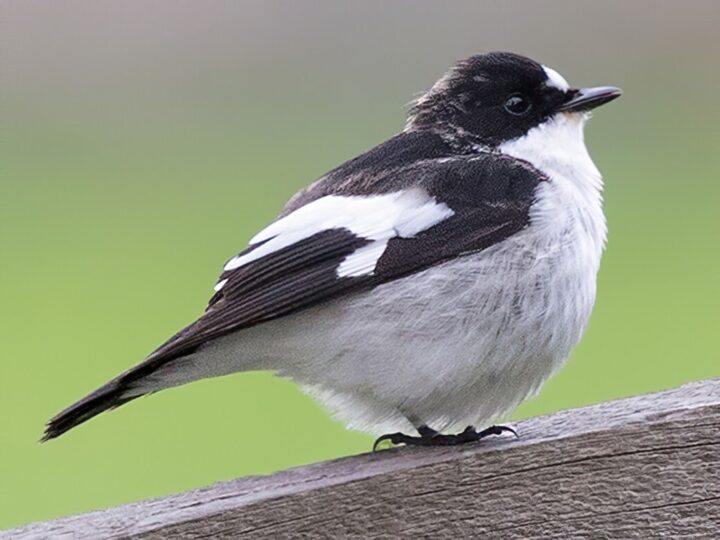
Wildlife of note included spotted and pied flycatchers, hobbies, wall butterfly, wryneck, and crossbill.
November and December
November sees a time for reflection. As the nights draw in and the park closes its gates earlier, we see less visitors. This time of year allows us to move into the woodlands and continue with the coppicing. We’ve time to look back over the wildlife surveys and make our plans for the next year.
In December the coppicing plots are sealed off with dead hedging to protect regrowth against deer, and we replanted in the understory with new trees, particularly hazel.
The fencing for the red poll cattle in the wood pasture area and Hunts Hill Lake gets underway, ready to receive the cows in the spring of 2026 as part of our funded natural land restoration and management programme.
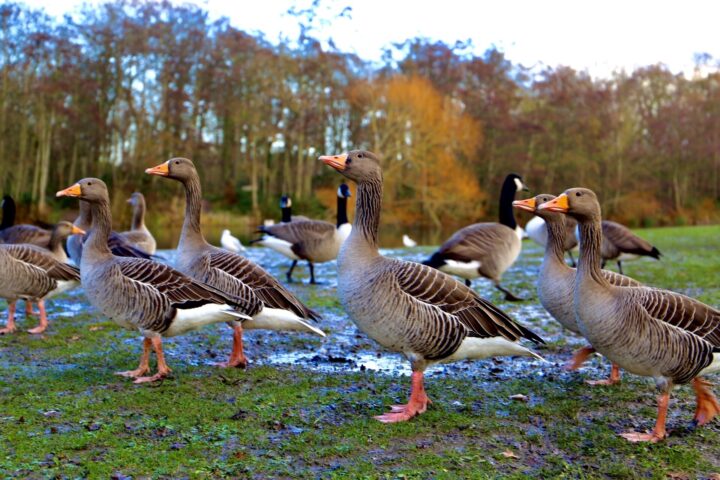
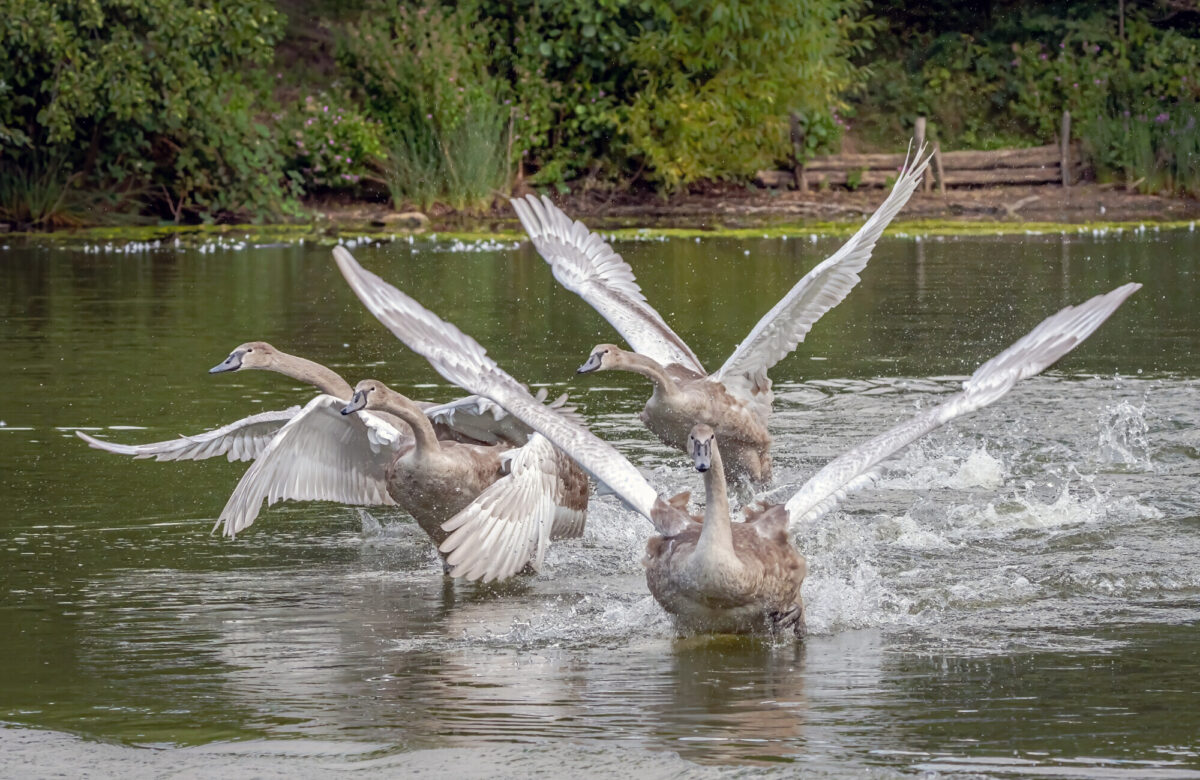
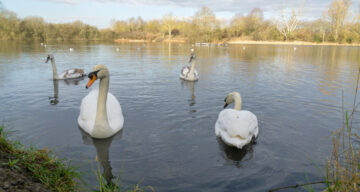
Wildlife in the park tends towards the more common garden and woodland birds and the lakes see increases in waterfowl. In December visitors include waxwings.







12 reasons to visit the 8 Essex Country Parks in 2026
Get out more this New Year to feel good. Invest in the Explorer Pass and visit all year round. Buy in January and get one month free: 13 months for the price of 12.
Posted on 23rd December 2025
Read article
5 Wonderful Weekday Winter Walks
Looking for something to do with the grandchildren, want to meet up with old friends during the week or discover somewhere new?
Posted on 24th November 2025
Read article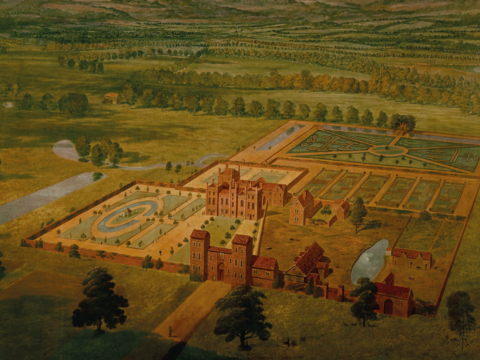
Discover 8 fascinating facts about our country parks and places for Essex Day
We’re celebrating some of the significant points of interest at our Essex Country Parks and places this Essex Day.
Posted on 5th October 2026
Read articleTagged with
Related blogs
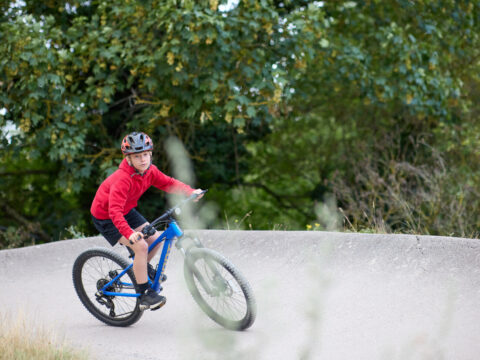
Hadleigh Country Park pump tracks to be upgraded for riders of all ages
Work to upgrade two pump tracks at Hadleigh Country Park is to take place this autumn following £225,000 of investment by Essex County Council.
Posted on 12th October 2026
Read articleDiscover 8 fascinating facts about our country parks and places for Essex Day
We’re celebrating some of the significant points of interest at our Essex Country Parks and places this Essex Day.
Posted on 5th October 2026
Read article
Explore a Series of Essex Heritage Talks this Autumn
As a county Essex has a rich history and it keeps revealing its past, so why not come and see what’s surfaced this autumn.
Posted on 25th September 2026
Read article