The Uprising in Essex
A new film brings the Peasants' Revolt to the big screen, and you can follow the real story across Essex. Here’s our guide to the places where it all began.
Posted on 8th October 2026
Discover the Essex story behind 'The Uprising'

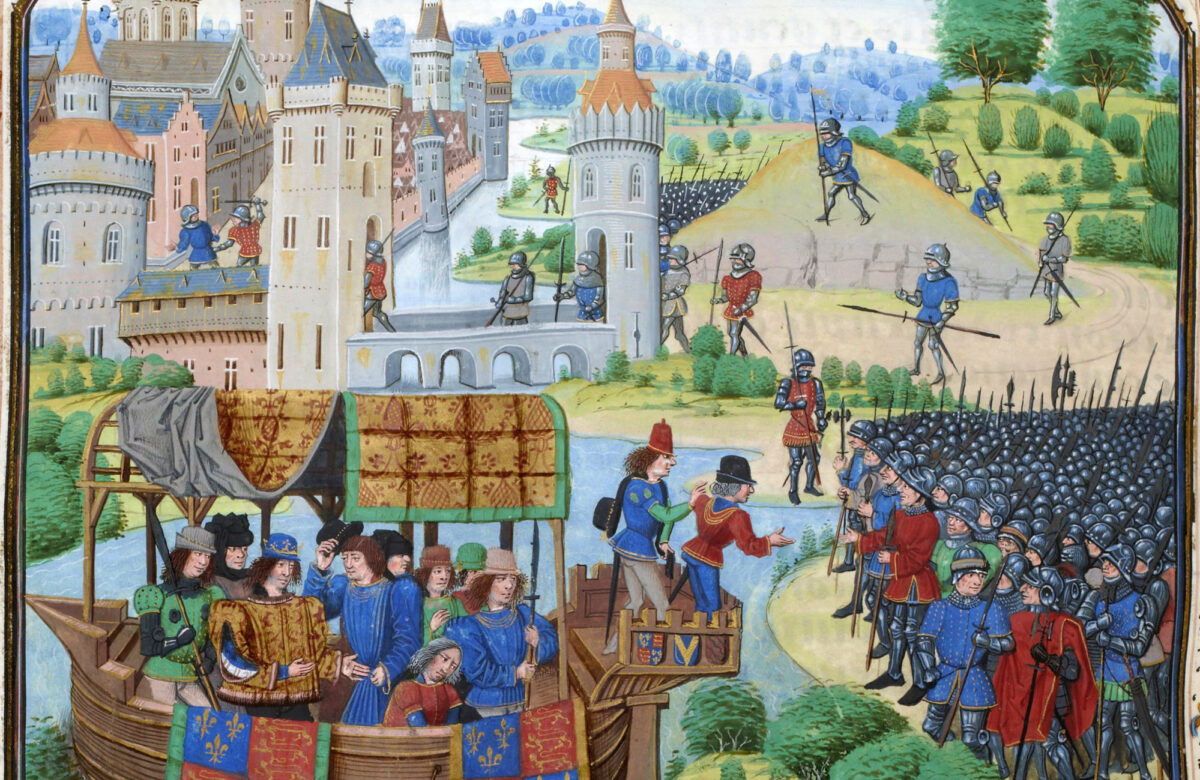
‘The Uprising’ directed by Paul Greengrass and starring Andrew Garfield tells the story of the Peasants’ Revolt of 1381, one of the largest popular uprisings in medieval Europe.
Arriving in UK cinemas from Friday 9 October, the film also features Jamie Bell as one of the revolt leaders, 'John Ball'; while Cosmo Jarvis plays the part of 'Wat Tyler’. Other A-list actors include Tom Hollander as 'Sir Robert Hales', Johnny Lee Miller as 'William Walworth' and many more.
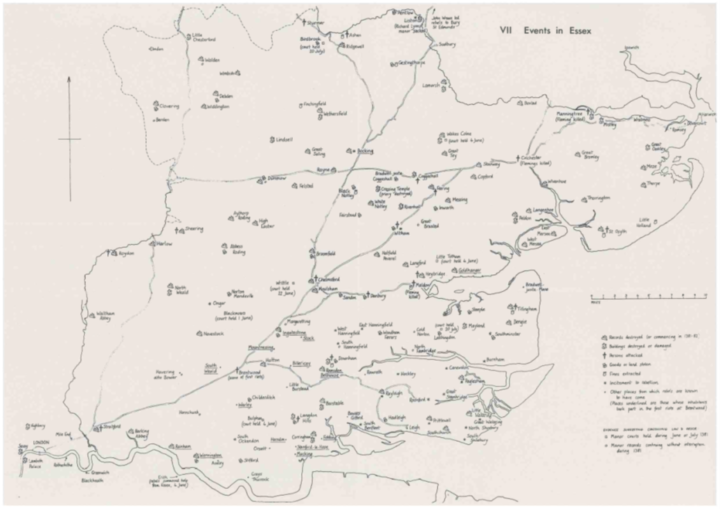
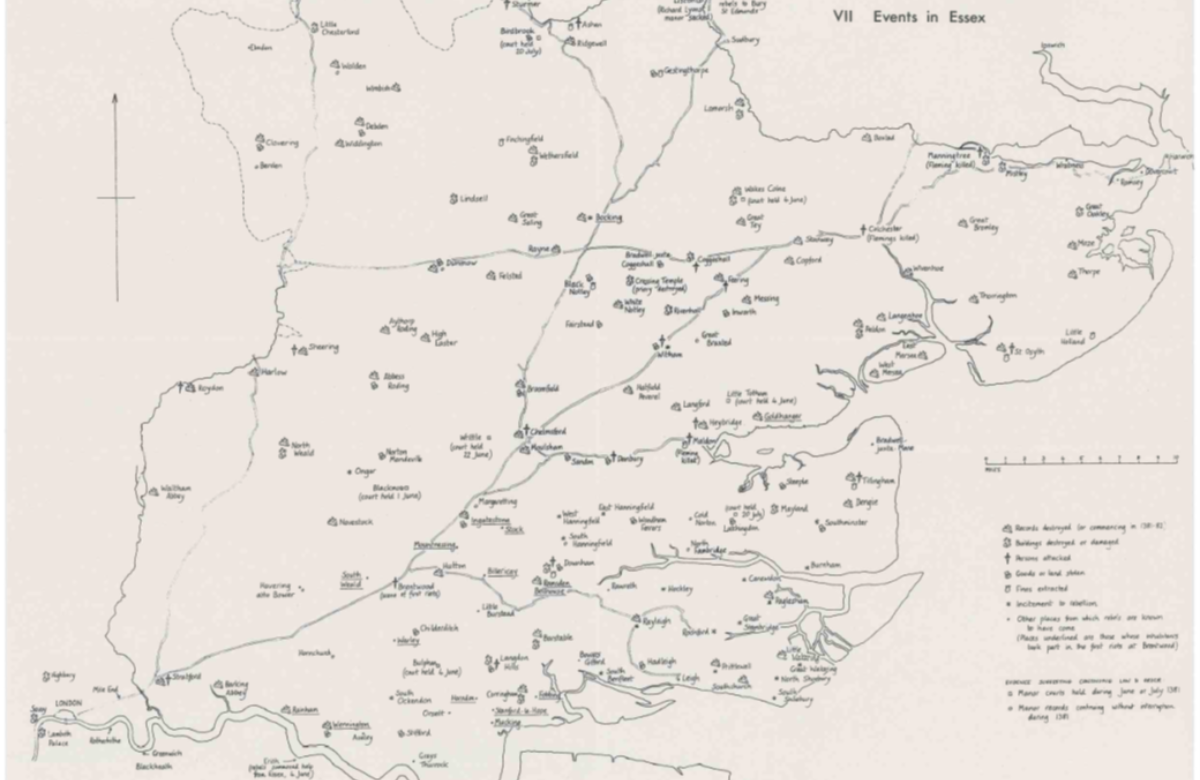
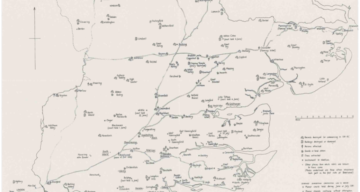
This charming hand-drawn artefact, maps events relating to the Peasants’ Revolt across Essex including where records or buildings were destroyed, people were attacked, goods or land were stolen, as well as places from where rebels are known to have come from.
Plan your own afternoon of discovery using our six highlighted places at the heart of the story, from the village where it started to the barns still standing today.
6 locations to follow the story
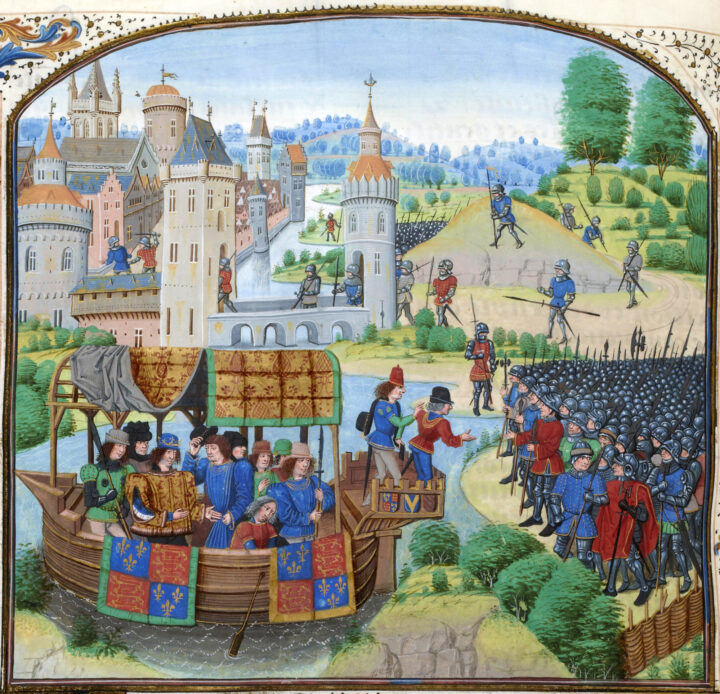
- Fobbing, where it all began. On 30 May 1381, villagers refused to pay the King’s poll tax, confronting royal commissioner John Bampton and sparking the Great Rising.
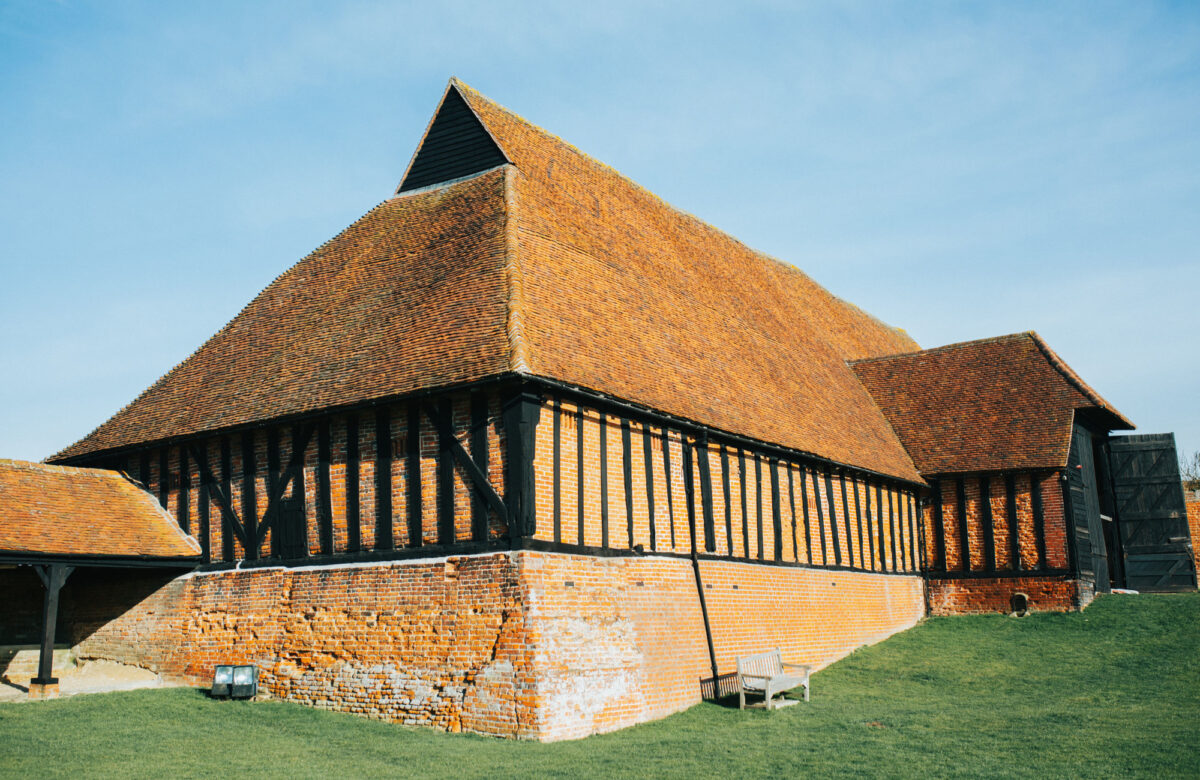
- Cressing Temple Barns, the rebels attack. Rebels attacked the Templar manor on 10 June, targeting Robert Hales, the newly appointed Treasurer of England. Remarkably the barns were not touched and still stand, welcoming visitors today with a new audio trail bringing the story to life.
- Brentwood, the confrontation. Villagers from Fobbing, Corringham and Stanford stood their ground against Bampton’s tax collectors here, escalating local defiance into open rebellion.
- Coggeshall, under attack. Thomas Baker, often named the revolt’s ‘first mover’ was among those charged with taking part in the attack here. Wander the historic streets and visit medieval Grange Barn nearby.
- Chelmsford, where the story ended. The town saw the executions of captured rebels, including Thomas Baker on 4 July. Today, the Essex Record Office holds the original court rolls behind ‘The People of 1381’ project. Visit the archive and check for upcoming talks and events.
- Norsey Wood, Billericay, the last stand. On 28 June, after Wat Tyler’s death in London, royal troops defeated the remaining Essex rebels, bringing the uprising to a violent close. Follow the trails through this ancient woodland.
Get close to the revolt at Cressing Temple Barns
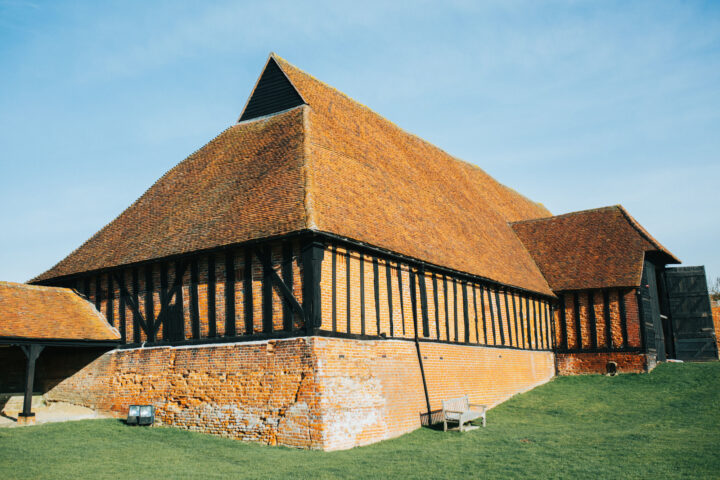
If you only visit one place connected to the 1381 uprising, make it Cressing Temple Barns.
On 10 June 1381, rebel groups descended on the Templar manor, owned by Robert Hales. They tore down the manor house, burned documents and destroyed property in protest at the man responsible for collecting the tax that caused so much anger.
The magnificent barns that visitors explore today were spared. This means you can walk into the very buildings that witnessed the revolt, still standing more than 600 years on.
What to do when you visit

Walk the audio trail, a newly launched interactive heritage trail from the Friends of Cressing Temple.
The story of Amicius the Skinner follows one Essex villager’s story of hardship, rebellion and hope, as ordinary people protested unfair laws and crippling taxes.
- Explore the Barley Barn, Wheat Barn and the Tudor walled garden. Entry and parking are free and there’s a Tiptree tearoom on site for lunch or afternoon tea.
The People of 1381 and the Essex Record Office

Want to know more about the rebels? Visit the Essex Record Office in Chelmsford, the county’s own ‘storehouse of Essex history,’ home to valuable documents relating to the uprising.
Earlier this year, the Essex Record Office held an ERO Presents talk on the revolt’s radical preacher and rebel leader, John Ball. The Essex Record Office was also home to the launch of The People of 1381 project, led by Professor Adrian Bell of Henley Business School, University of Reading. This research project looked at legal and manorial documents and featured an online map and database detailing the towns and villages across Essex and beyond touched by the uprising.
At the Essex Record Office, you can view Publication No.81 – Essex and the Peasants’ Revolt: a selection of evidence from contemporary chronicles, court rolls and other sources, includes a map of the Peasants’ Revolt events across Essex (as pictured above). Get yourself an Archives Card and come along to see the map for yourself!
Discover Essex’s other film locations
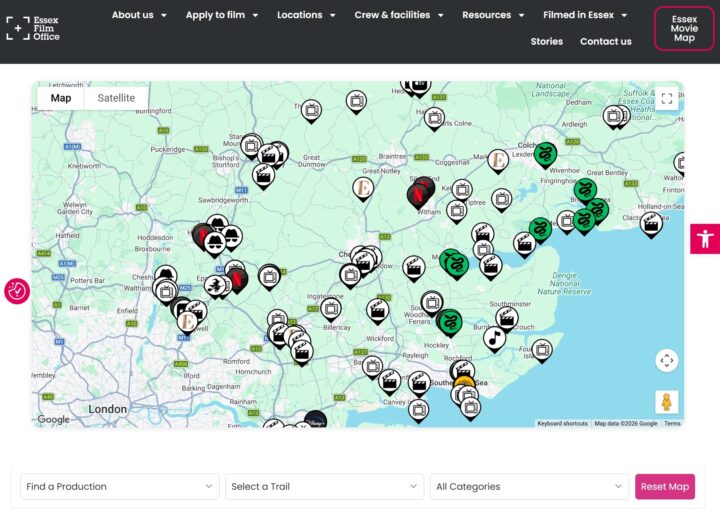
The ‘Uprising’ brings to life the 1381 Peasants’ Revolt, which began in Essex and became one of the most significant uprisings in English history.
While filmed in Germany, the story highlights Essex’s rich heritage and its enduring appeal as a location for powerful storytelling.
The Essex Film Office promotes the county as a destination for film and TV productions, showcasing the places behind some of the UK's top screen projects.
You can explore filming locations through the Essex Film Office Movie Map, or register your own location or property on the Essex Film Office locations database if you think it could be the perfect screen location.




Filter by tag

Explore 5 New Heritage Trails at Cressing Temple Barns
Travel back through time with the new interactive heritage trails at Cressing Temple Barns.
Posted on 10th September 2026
Read article
Explore a Series of Essex Heritage Talks this Autumn
As a county Essex has a rich history and it keeps revealing its past, so why not come and see what’s surfaced this autumn.
Posted on 25th September 2026
Read article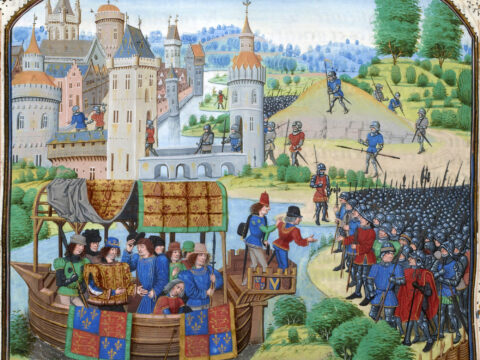
The Peasants' Revolt of 1381
A research project about one of the largest popular uprisings in medieval Europe has shed new light on the Peasants' Revolt of 1381 at Cressing Temple Barns.
Posted on 22nd October 2024
Read article
5 Best Essex Heritage Walks
Step back in time with our selection of heritage walks in Essex.
Posted on 24th August 2026
Read article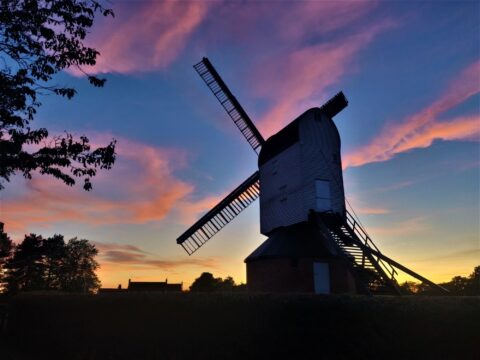
Discover 5 fascinating Essex mills
We are celebrating our five Essex based mills and their history and heritage. Read on to find out more.
Posted on 21st August 2026
Read article
Cressing Temple Barns: The Working Farm
A new project at Cressing Temple Barns called ‘The Working Farm’ will see the on-site farm machinery being given a new lease of life to make them more visually presentable to visitors.
Posted on 14th June 2024
Read articleTagged with
Related blogs
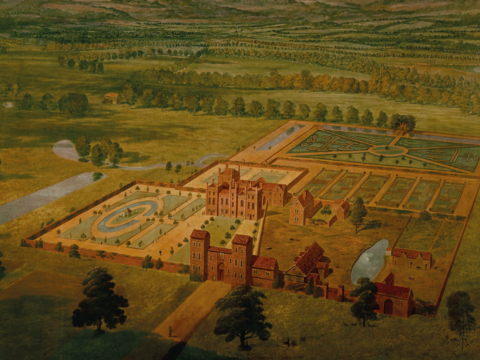
Discover 8 fascinating facts about our country parks and places for Essex Day
We’re celebrating some of the significant points of interest at our Essex Country Parks and places this Essex Day.
Posted on 5th October 2026
Read articleExplore a Series of Essex Heritage Talks this Autumn
As a county Essex has a rich history and it keeps revealing its past, so why not come and see what’s surfaced this autumn.
Posted on 25th September 2026
Read articleExplore 5 New Heritage Trails at Cressing Temple Barns
Travel back through time with the new interactive heritage trails at Cressing Temple Barns.
Posted on 10th September 2026
Read article