Meet the animals helping to look after our country parks
Find out more about the livestock grazing Essex Country Parks, naturally managing grass and scrub to allow wildflowers and insects thrive.
Posted on 9th June 2026
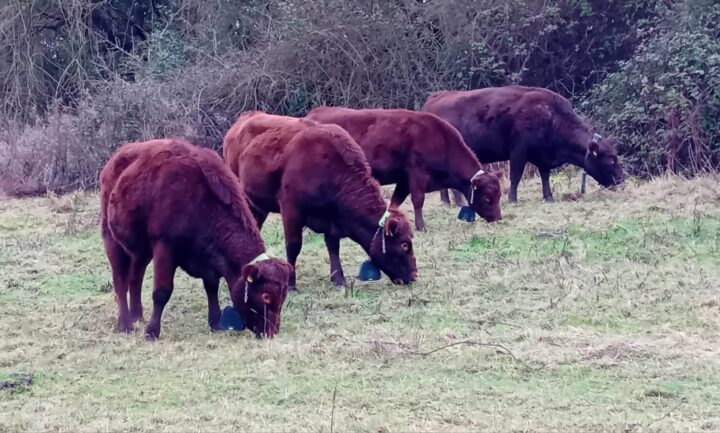
We’ve welcomed four red poll cattle to the 'wood pasture' at Belhus Woods Country Park summer 2026. The area is fenced off to the public, but there’s a footpath around the pasture from which you might catch a glimpse of the cattle.
A beautiful deep red colour, the red poll are a hardy native breed of East Anglia. They play an important role in conservation grazing alongside other types of animals that help manage the land naturally.
Why do country parks have livestock?
Grazing animals have been used to manage land for centuries. They help keep scrub back and the grass at just the right length to help wildflowers and insects thrive.
Without grazing, grassland can quickly become overgrown and the plants, insects and creatures that depend on it disappear.
Meet the animals
Cudmore Grove Country Park – on the marshes of the park you will see red poll cattle and Dorset down sheep who are helping to keep the grass short for wading birds.
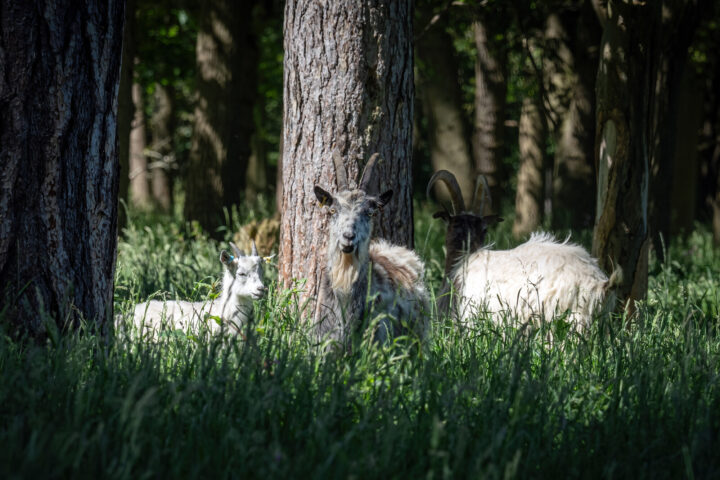
Hadleigh Country Park – across the park, there are cattle, goats and sometimes sheep. Cheviot goats, a hardy rare breed from the Cheviot Hills of Northumberland, like to munch on the tougher scrub and bramble that cattle won’t touch.
Marsh Farm Country Park – rich grazing marsh alongside the waterways makes tasty grass for the sheep here.
Thorndon Country Park – alongside the cattle and goats, you might also see rare breed Dorset down sheep.
Weald Country Park – famous for its herd of fallow deer, the red poll cattle also graze here.
Native breeds worth protecting
Native breeds are part of our heritage and many of the livestock you see in our parks are listed on the Rare Breeds Survival Trust watchlist.
What does a day look like for a grazing animal?
Depending on the season, animals move between fields and areas in the country park. Sometimes they roam free where you might encounter them on a walk. Sometimes there’s carefully secured fencing to keep them in one place.
Park rangers monitor their health and welfare, checking on them regularly to make sure they’re happy and have good access to water and food – with fields of grassland and scrub stretching as far as the eye can see, this is rarely a problem!
Animals have a wide and varied diet – not just grass, but herbs and scrub. Brambles are a tasty treat for goats!
How do the animals help the country parks?
Grazing is a wonderful way to help biodiversity. Where the cattle, sheep and goats go, beautiful wildflowers follow, creating attractive places for insects, birds and small mammals who love the shorter and varied grassland.
When animals walk on the land, their feet push fallen seeds into the soil. This helps more to germinate and grow into wildflowers.
Don’t forget the poo! This is a habitat all of its own. Dung beetles love to make cow pats their home or bury the poo under the ground in burrows.
Dos and don’ts around livestock
- Do always keep dogs on a lead near livestock*
- Do keep a safe distance and never approach directly – just like us, they don’t like to be surprised
- Do enjoy watching from the path or behind the fence
- Don’t feed the animals, even if they come over hoping to share your packet of crisps
- Don’t let children run or chase livestock
- If you do find a cow coming towards you, stay calm – they can be very curious. Move steadily away, don’t run.
*New laws are now in place to help protect livestock from dog attacks – Dogs (Protection of Livestock) (Amendment) Act 2025
Read more about what we are doing and why to restore landscapes and habitats for the future at Essex Country Parks, funded as part of the government's Countryside Stewardship Scheme.
Tagged with
Related blogs
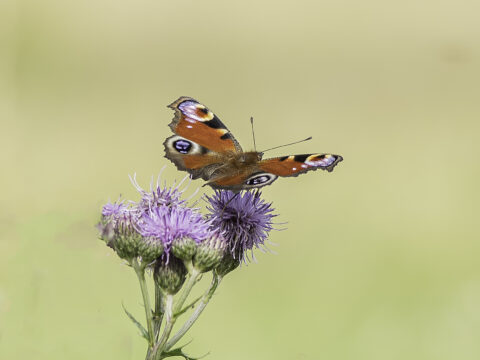
Get Busy Spotting Butterflies
Read more about the importance of monitoring butterflies and how you can get involved.
Posted on 24th July 2026
Read article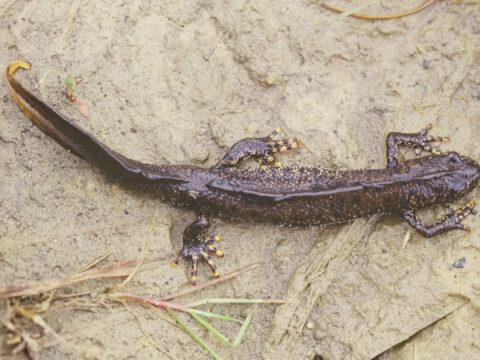
Amazing amphibians and reptiles at Essex Country Parks
Amphibians and reptiles are important for our grassland, wetland and woodlands and we are lucky to have many of the native species at our Essex Country Parks.
Posted on 1st July 2026
Read article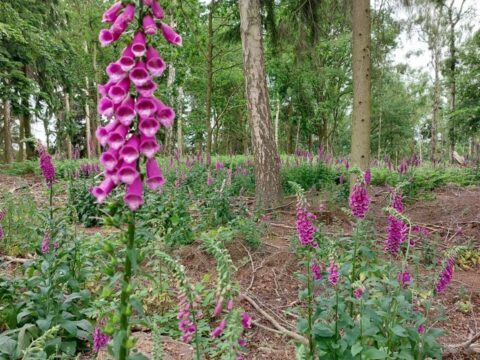
Visit the fabulous foxgloves making a comeback at Weald Country Park
We’re delighted that these stunning flowers are blooming at Weald, a sign that our recent woodland works have been working.
Posted on 4th June 2026
Read article