Be Aware: Oak Processionary Moth
Look out for caterpillars of the oak processionary moth (OPM)
Posted on 3rd August 2023
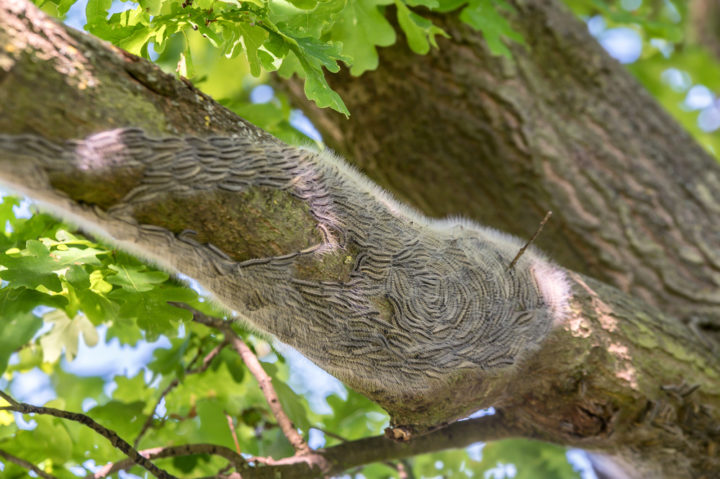
Caterpillars of the oak processionary moth (OPM) are a pest which can be a hazard to the health of oak trees, people and animals. It is possible that they might be present in the Essex Country Parks. Please stay away if you do see them, and ensure any children and animals do the same.
The main period these caterpillars are likely to be spotted is from June to August, however their nests should be avoided at any time of the year due to the hairs they shed, which contain an irritant called thaumetopoein. Contact can cause itchy skin rashes and other, less common symptoms.
What should I do if I spot them?
Please report any sightings (ideally with photos and approximate location) to the Park team at the visitor centre or email us at:
explore.essex@essex.gov.uk
What should I look out for?
How can I identify Oak Processionary Moth?
- They live almost exclusively in oak trees, which are identifiable by their distinctive leaves.
- They often cluster together.
- They move in nose-to-tail processions, in oak trees or on the ground, hence their name.
They build white, silken webbing trails and nests – usually dome or teardrop-shaped.
Read more here.
Tagged with
Related blogs
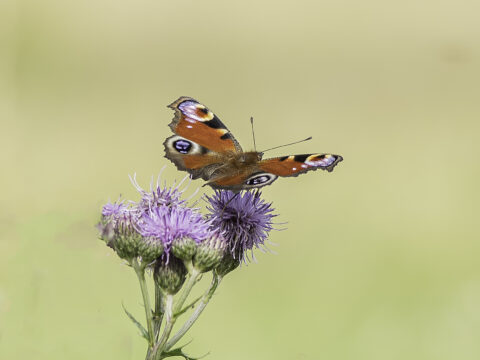
Get Busy Spotting Butterflies
Read more about the importance of monitoring butterflies and how you can get involved.
Posted on 24th July 2026
Read article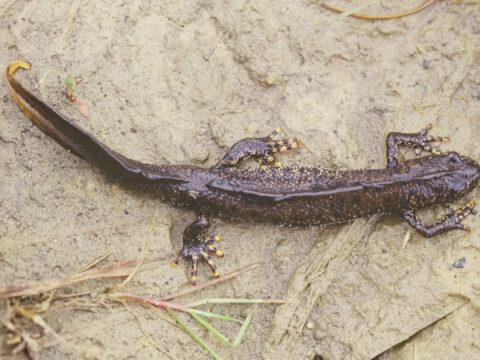
Amazing amphibians and reptiles at Essex Country Parks
Amphibians and reptiles are important for our grassland, wetland and woodlands and we are lucky to have many of the native species at our Essex Country Parks.
Posted on 1st July 2026
Read article
Meet the animals helping to look after our country parks
Find out more about the livestock grazing Essex Country Parks, naturally managing grass and scrub to allow wildflowers and insects thrive.
Posted on 9th June 2026
Read article